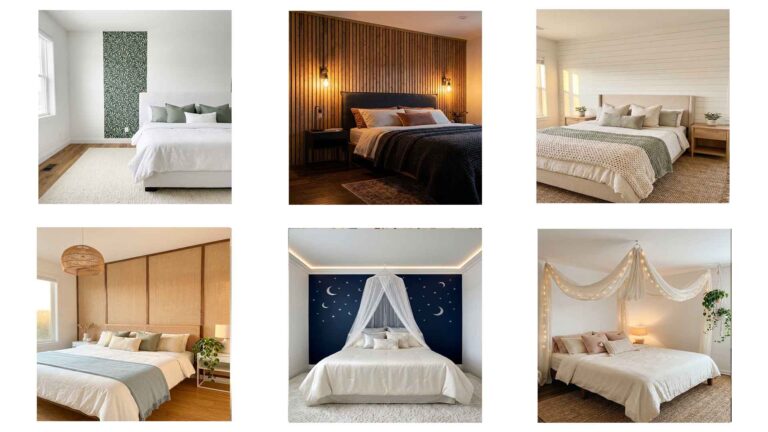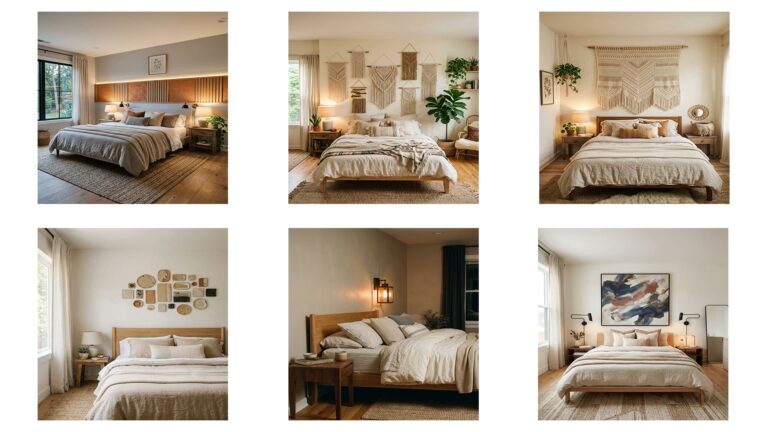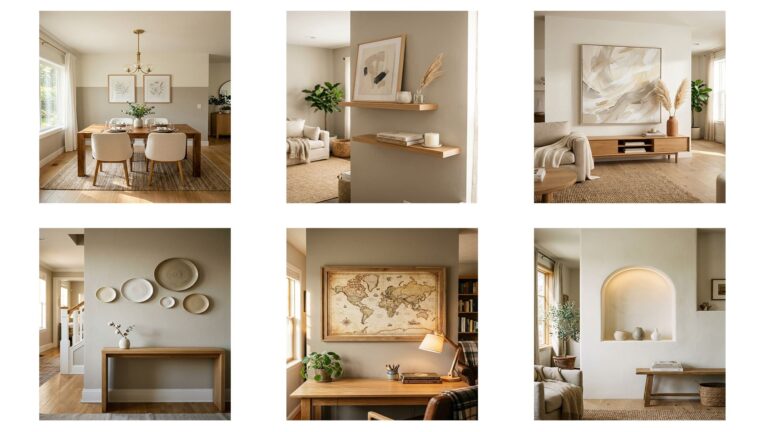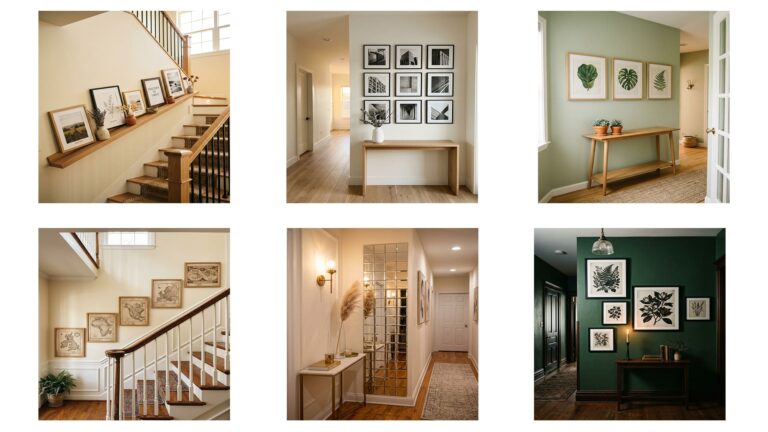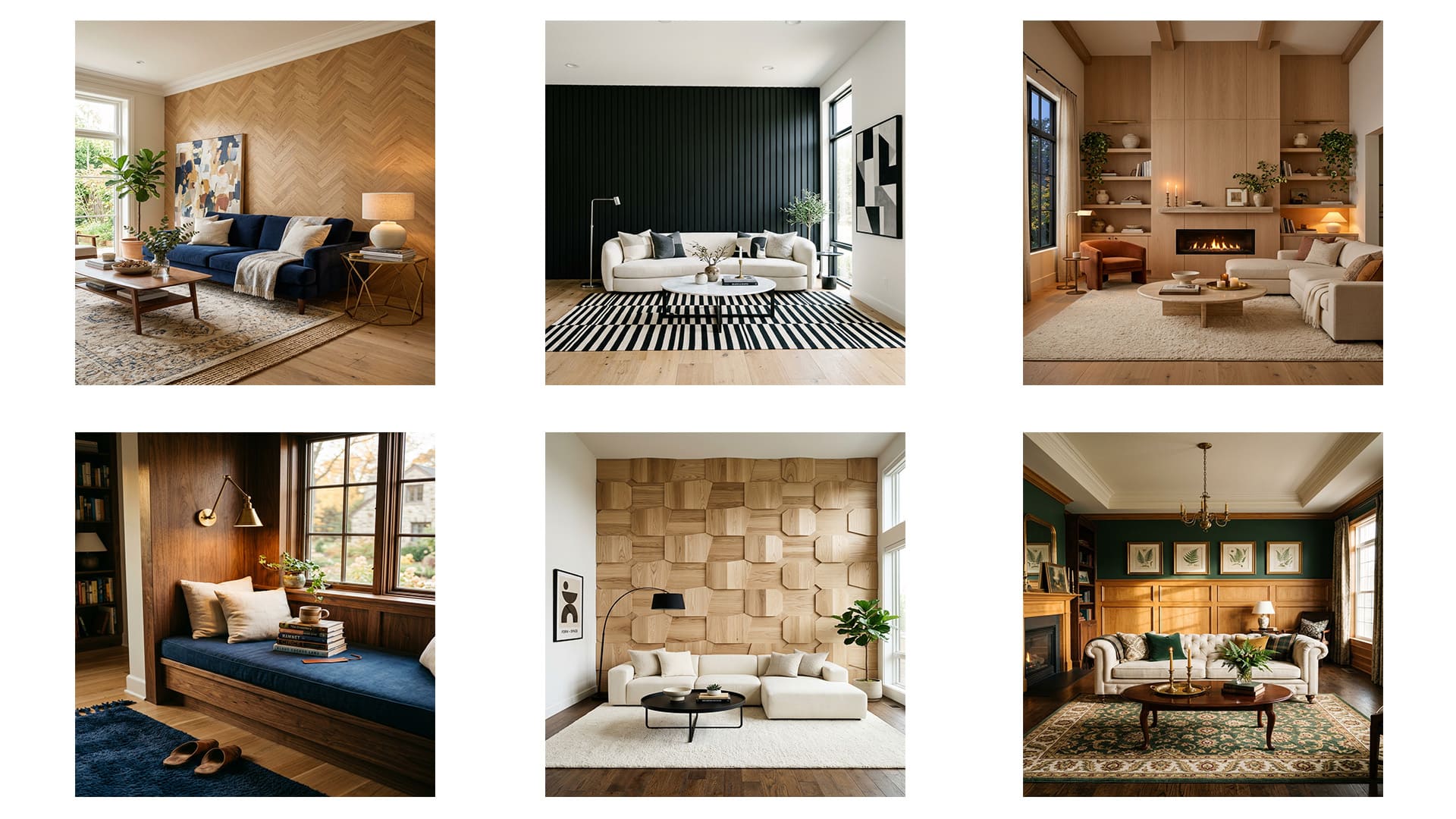
28 Wood Wall Paneling Ideas For Living Rooms 2026
I walked into a friend’s living room last spring and stopped completely at the doorway. One wall — covered in warm fluted walnut panels — made the entire room feel like a completely different home. That single design choice changed everything: the mood, the warmth, the way every piece of furniture looked against it. Wood wall paneling ideas for living rooms deliver that exact kind of transformation, and far more homeowners are discovering this in 2026.
Most living rooms suffer from the same quiet problem — plain, flat, painted walls that offer nothing visually and make even beautiful furniture feel like it’s floating in an unfinished space. You arrange the sofa perfectly. You hang artwork carefully. Yet the room still feels like something important is missing. The walls are missing.
Wood paneling solves this instantly. It adds texture, depth, natural warmth, and architectural character in a way that no paint color, rug, or furniture piece can fully replicate. From rustic reclaimed barn wood to sleek modern fluted walnut panels, the right wood wall treatment reframes your entire living room identity.
This guide covers 28 distinct wood wall paneling styles for living rooms — each one carefully selected for its visual impact, real-world usability, and suitability across different budgets, room sizes, and interior styles. Interior designers, home stylists, and experienced DIY decorators all rely on wood paneling as one of the highest-value upgrades available for any living space.
Whether you rent a compact city apartment or own a large family home, at least one idea in this collection will make you look at your living room walls and finally see their full potential.
Shiplap Living Room Wall
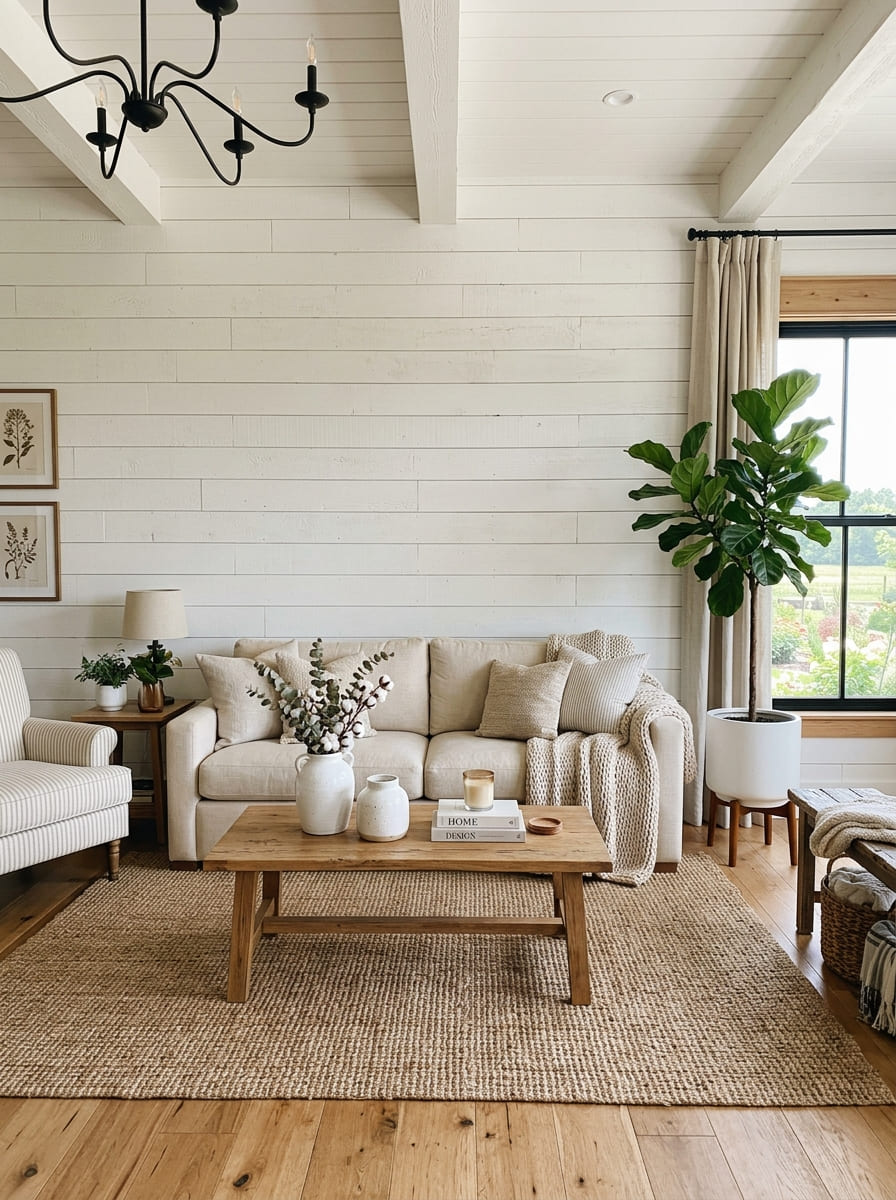
Shiplap wood panels give a living room an instant sense of warmth and farmhouse charm that plain painted walls never achieve. The horizontal plank lines draw the eye naturally across the wall, making the space feel wider and more intentional with minimal effort.
This wood wall treatment suits both large family living rooms and compact city apartments equally well. The clean, painted surface pairs with virtually every furniture style — from rustic wood pieces to modern upholstered sofas — without ever looking out of place.
- Widens small living rooms visually
- Pairs with neutral furniture palettes
- Works in modern farmhouse interiors
- Easy weekend DIY installation
- Suits rental-friendly wall updates
I’ve noticed shiplap consistently earns the most compliments among budget-friendly wood wall upgrades. Guests assume the installation cost far more than it actually did, making this one of the highest-value-per-dollar paneling choices available for living rooms today.
Shiplap also ages beautifully with minimal maintenance. A single coat of quality wall paint every three to four years keeps the surface crisp, clean, and looking freshly renovated — which suits busy homeowners who want long-term style without constant upkeep demands.
Dark Walnut Accent Panels
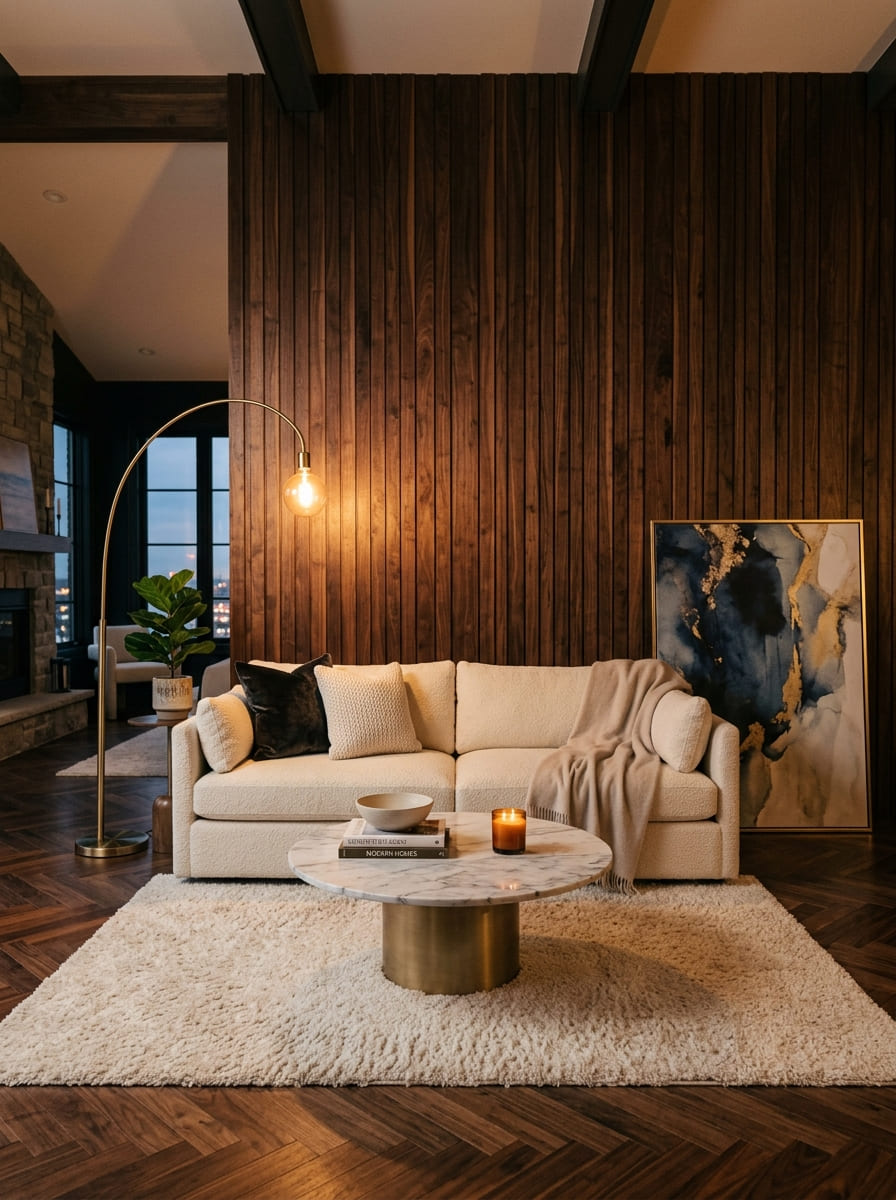
Dark walnut wall panels instantly signal luxury in a living room without requiring expensive furniture or elaborate decor arrangements. The deep, chocolate-brown tone creates a rich visual anchor that makes cream upholstery, gold accents, and white art pieces glow brilliantly in contrast.
This living room wood paneling style suits confident, design-forward homeowners who want a five-star hotel atmosphere at home. The natural grain variation in each walnut plank adds organic complexity that makes the wall surface feel genuinely premium rather than mass-produced or repetitive.
- Creates instant five-star hotel atmosphere
- Makes cream and gold accents pop
- Natural walnut grain adds premium depth
- Works best as a single feature wall
- Pairs with amber evening lighting perfectly
Dark walnut panels absorb light rather than reflect it harshly. The resulting warm, intimate glow in evening lighting makes a living room feel deeply comfortable and genuinely inviting — precisely the atmosphere most homeowners want their main gathering space to deliver every single evening.
That’s why many interior stylists recommend dark walnut specifically for living room feature walls behind sofas. The material communicates permanence and considered luxury in a way that immediately raises the entire room’s visual sophistication and perceived property value.
Whitewashed Plank Walls
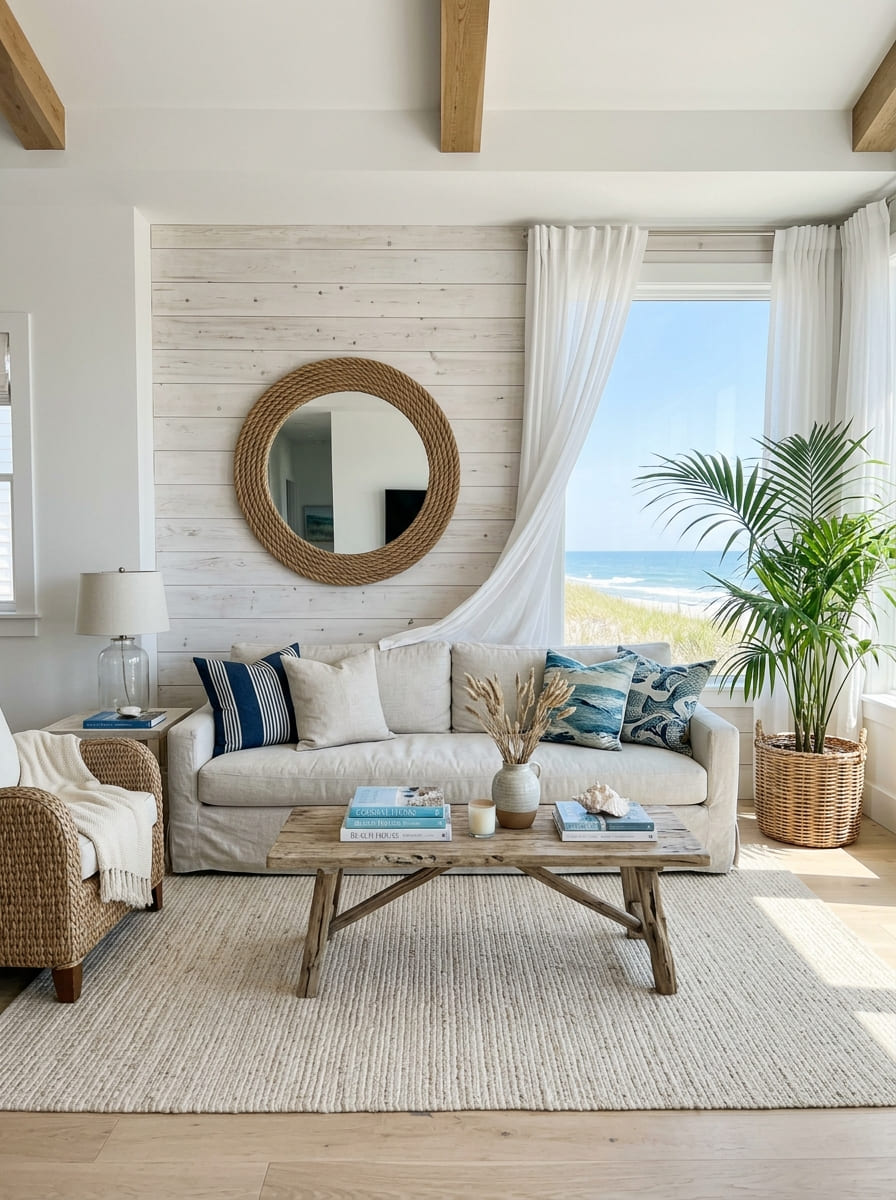
Whitewashed wood planks bring effortless coastal energy into a living room, making the space feel permanently bright, breezy, and vacation-ready. The soft bleached tone preserves the natural grain texture of the wood while keeping the overall color palette clean, light, and visually open.
This wood paneling style works beautifully in sun-filled living rooms, beach houses, and any space where the design goal is relaxed, effortless style. Paired with natural fiber rugs, rattan furniture, and ocean-tone cushions, the whitewash effect creates a cohesive coastal atmosphere that needs no ocean view to feel convincing.
- Keeps living rooms feeling bright and airy
- Preserves natural wood grain beautifully
- Pairs with blue and natural fiber tones
- Works in coastal and Scandinavian interiors
- Budget-friendly DIY whitewash technique
Whitewashed planks age with genuine character over time. Unlike stark white paint that shows every mark, the layered whitewash technique develops a soft, lived-in patina that grows more beautifully authentic as the years pass — rewarding patient homeowners with a wall that improves rather than deteriorates.
You can apply the whitewash yourself using diluted white paint and a dry brush technique over basic pine boards. The entire project costs under $200 in materials and delivers a result that looks professionally styled, deeply considered, and genuinely Pinterest-worthy in every lighting condition.
Vertical Oak Slat Wall
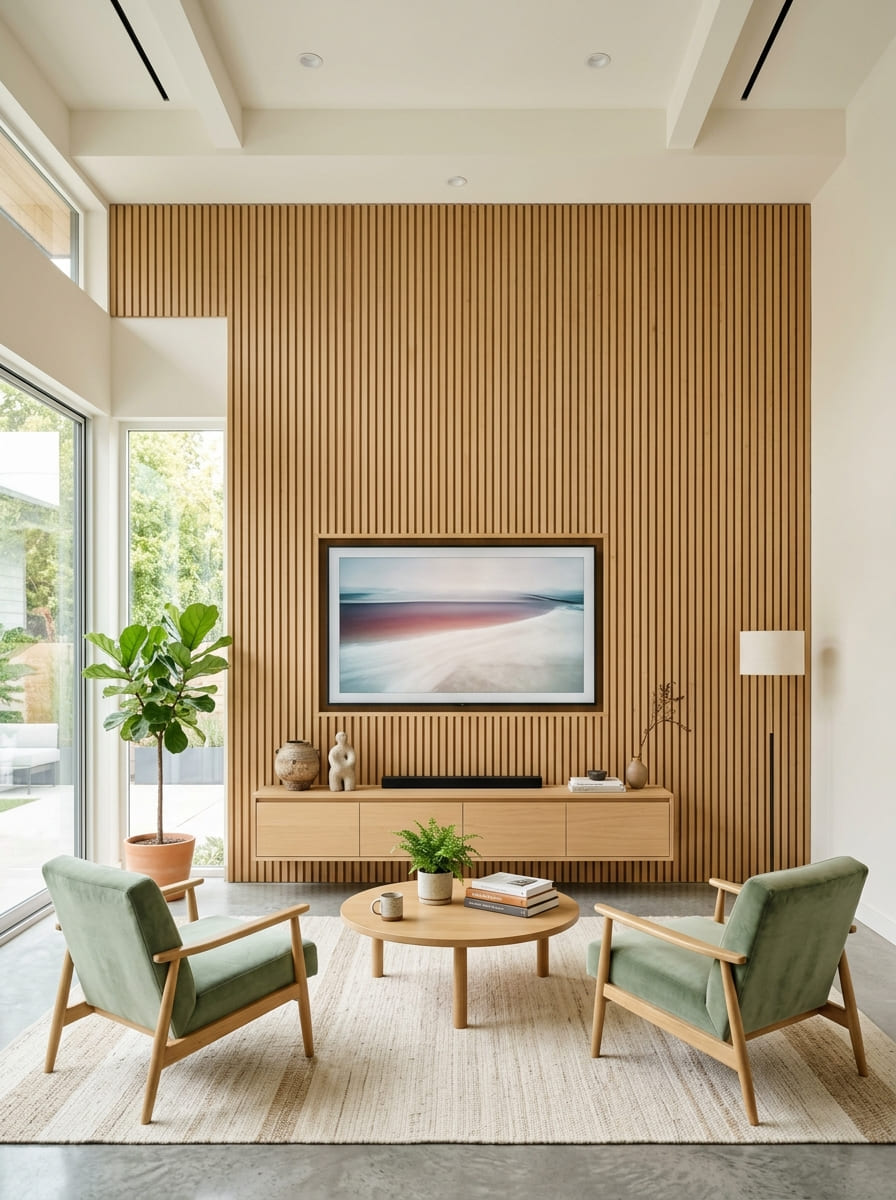
Vertical oak slat panels on a TV feature wall instantly replace the visual chaos of exposed cables and flat black screens with a clean, architectural backdrop that looks deliberately designed. The warm light oak tone softens the hard edges of technology and makes the entire media wall feel like intentional furniture rather than an afterthought.
Wood wall paneling ideas for living rooms rarely deliver as much functional improvement as this slat TV wall concept does. The vertical slats frame the screen beautifully while the gaps between planks allow cable management channels and even speaker placement without disrupting the clean surface aesthetic.
- Frames the TV wall with warm wood texture
- Hides cables within vertical slat gaps
- Draws the eye upward to increase ceiling height
- Works in Scandinavian and modern interiors
- Light oak tone suits neutral living rooms
Vertical slat TV walls also photograph exceptionally well for real estate listings and social media content. The combination of warm wood grain and clean vertical lines creates a backdrop that looks custom-built and high-end — consistently earning strong engagement and wide saves across Pinterest home decor boards.
I’ve seen this exact wood wall treatment add measurable perceived value during home sales. Buyers consistently respond positively to built-in media wall solutions that look designed and permanent, viewing them as genuine upgrades rather than decorative additions to the property.
Reclaimed Barn Wood Feature
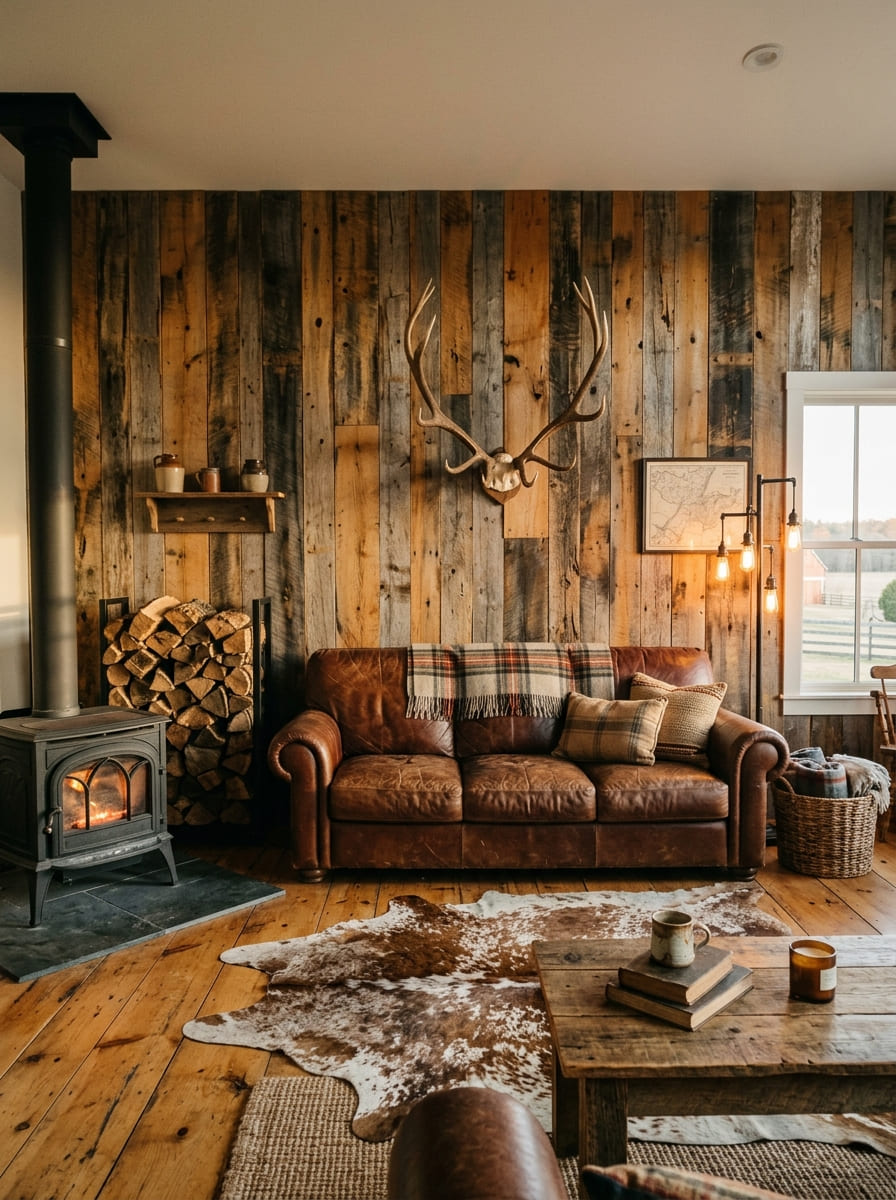
Reclaimed barn wood carries authentic history that no new material can manufacture or replicate. Every visible nail hole, weathered knot, and varied grain pattern across each plank tells a real story — giving the living room a quiet, grounded character that feels earned rather than designed.
This living room wood wall style suits farmhouse, industrial, eclectic, and rustic interior aesthetics with extraordinary confidence. The naturally varied tones across each salvaged plank create a mosaic-like wall surface that rewards every close look with new detail — offering ongoing visual richness that uniform new materials simply cannot match.
- Adds authentic salvaged character and history
- Every plank carries unique natural variation
- Works in farmhouse and industrial living rooms
- Pairs beautifully with leather and cast iron
- Environmentally responsible use of salvaged wood
Reclaimed wood also absorbs sound more effectively than smooth wall surfaces. The irregular texture of each plank breaks up sound waves — making reclaimed wood feature walls a genuinely practical choice for open-plan living rooms where noise management and visual warmth both matter significantly.
You can source reclaimed planks from local salvage yards, demolition sites, or online marketplaces at widely varying prices. The character and visual weight of genuine reclaimed wood consistently outperform new materials across nearly every budget level and interior style preference.
Herringbone Wood Panel
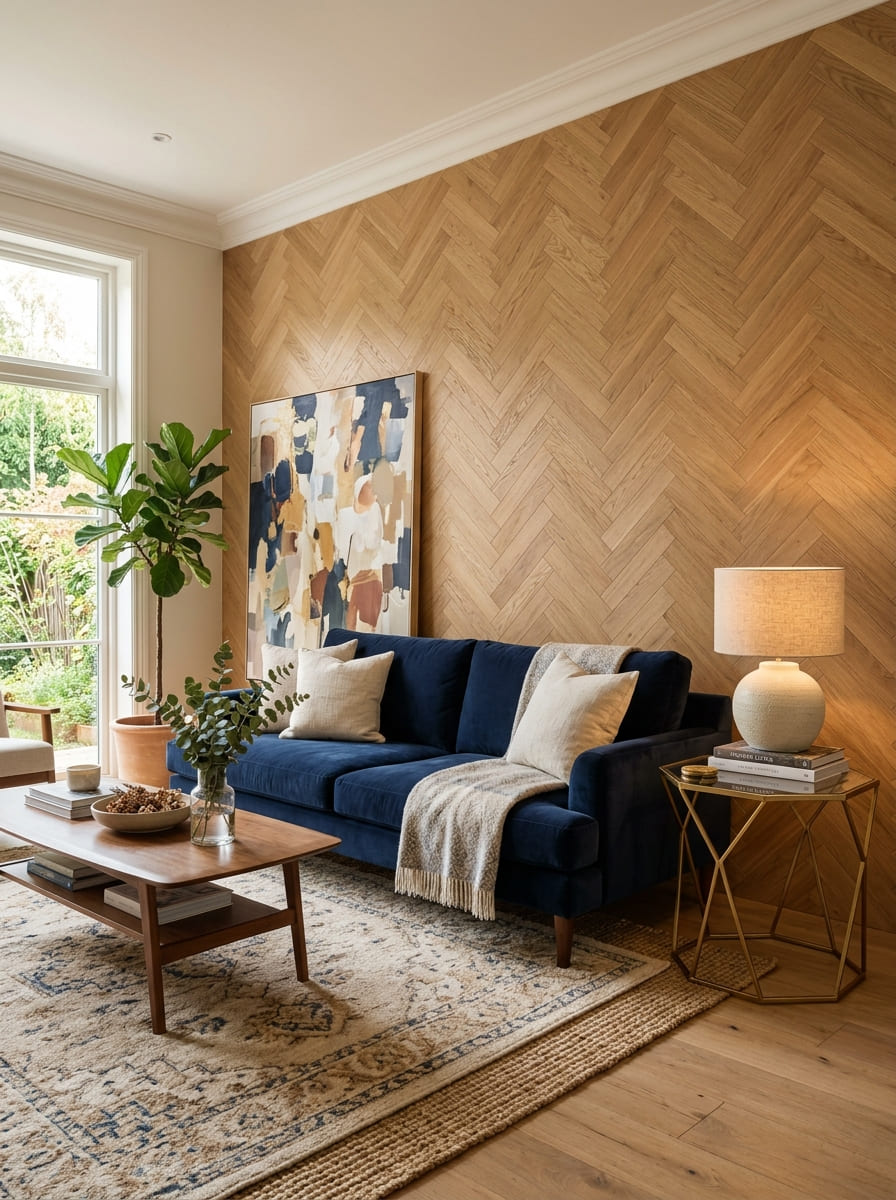
Herringbone wood panels turn an ordinary living room accent wall into a genuinely artistic statement that commands attention the moment you enter the room. The diagonal V-pattern creates strong visual movement across the wall surface — drawing the eye inward and making the entire wall feel dynamic, crafted, and deeply considered.
This paneling pattern suits transitional, mid-century modern, and eclectic living room styles with real visual confidence. The alternating wood grain direction within each herringbone joint adds extraordinary surface complexity from what remains a straightforward material — making the wall look far more labor-intensive and expensive than the actual process requires.
- Creates bold diagonal visual movement
- Works in light oak or dark walnut finishes
- Makes the living room wall feel like fine art
- Suits mid-century and transitional interiors
- Highly shareable on Pinterest home boards
The herringbone layout also makes narrow living rooms feel wider when the pattern runs horizontally across the wall. The diagonal lines optically expand the perceived width of the space — making this one of the most practically useful pattern choices for tight or awkward living room layouts in older homes.
That’s why many experienced interior designers recommend herringbone specifically for feature walls in challenging rooms. The pattern solves a visual problem while simultaneously delivering a result that looks genuinely custom, architecturally complex, and deeply impressive to every visitor who encounters it.
Fluted Panel TV Wall
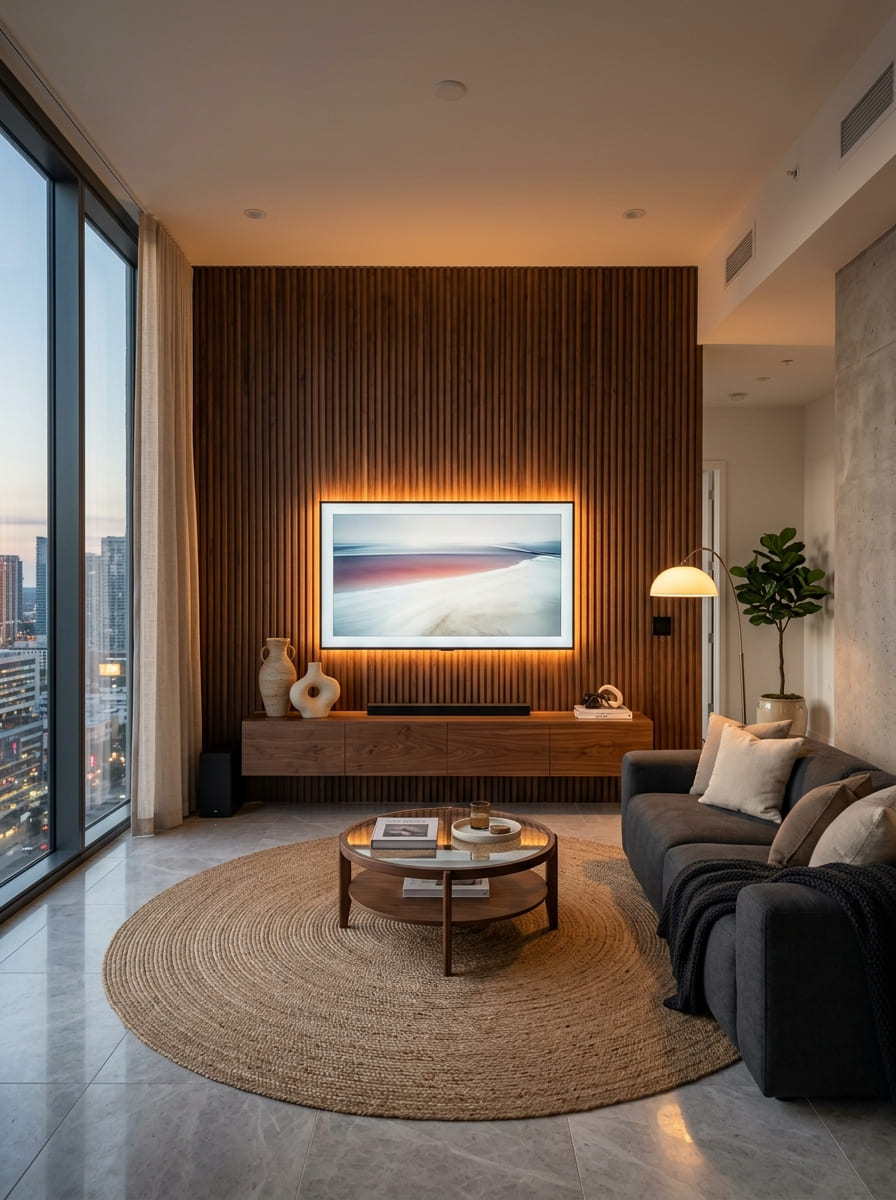
Fluted wood panels on a living room TV wall deliver sculptural, three-dimensional texture that flat paint and plain paneling never achieve. The vertical ridges of each fluted plank catch ambient light differently throughout the day, creating a constantly shifting surface that feels genuinely alive and premium in quality.
This wood wall treatment solves the common problem of a TV wall that looks functional but never beautiful. The fluted texture frames the screen with warm, architectural confidence — making the media center feel like a deliberate design feature rather than a practical necessity mounted onto an empty wall.
- Adds 3D sculptural texture behind the TV
- Ridges catch light beautifully throughout the day
- Frames the TV as a deliberate design feature
- Works in walnut, oak, or painted finishes
- Suits contemporary and organic modern interiors
In my experience, fluted TV walls consistently generate the strongest reaction from guests entering a living room for the first time. The combination of warm wood grain and repeating vertical ridges creates a visual richness that reads as custom millwork — and that perception alone adds significant value to the space.
Backlit LED strips mounted behind the TV within fluted panels amplify the effect dramatically in evening settings. The warm light glows softly between the ridges, creating a cinematic, atmospheric backdrop that makes movie nights and evening gatherings feel genuinely special and designed for the occasion.
Paneled Wainscoting With Wood
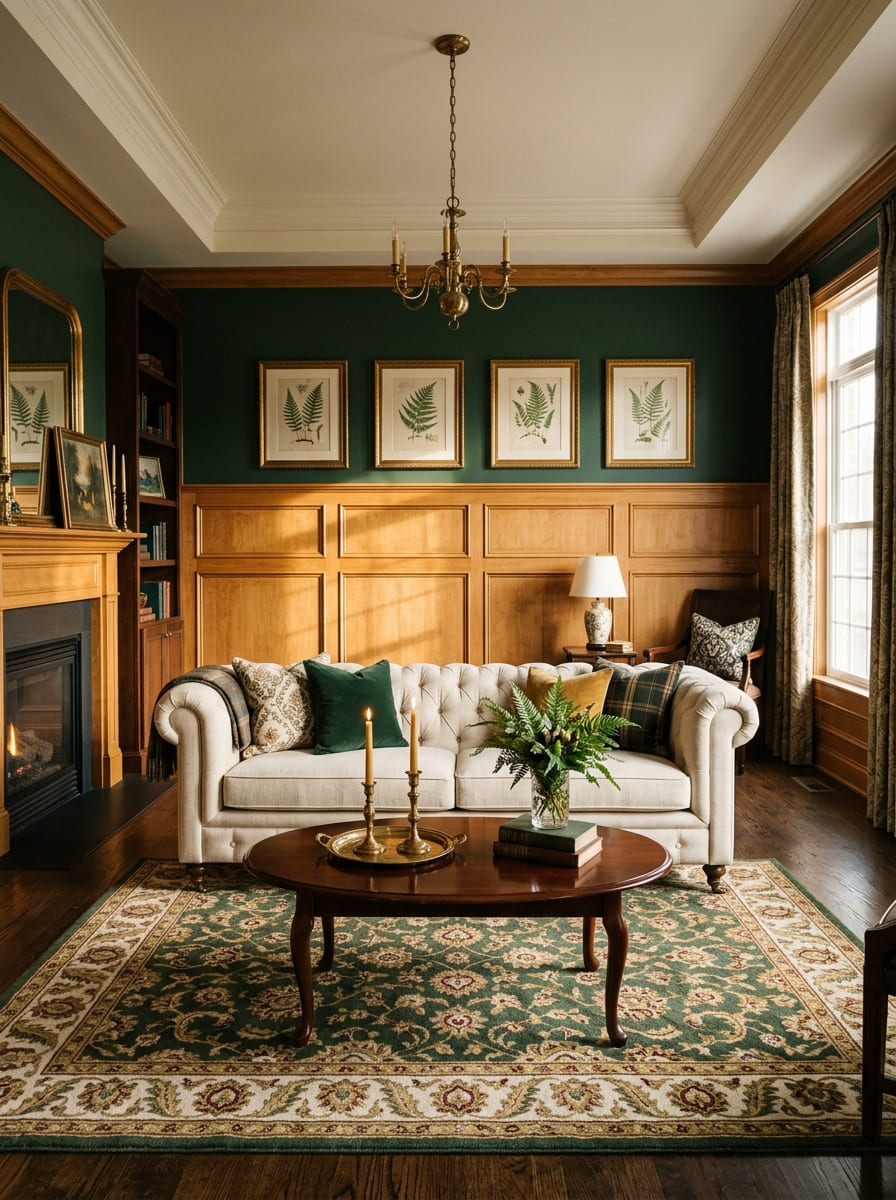
Wood wainscoting in a living room adds genuine architectural weight that makes the space feel established, refined, and thoughtfully designed over time. The lower panel section grounds the room visually while the painted upper wall draws the eye upward — creating a natural vertical division that gives the entire space elegant proportional balance.
This wood living room paneling style suits traditional, colonial, and transitional interior aesthetics with real authority. The warm honey wood tone pairs beautifully with rich upper wall colors — deep green, navy, burgundy, or charcoal — creating a bold color story that feels both classic and completely current for 2026 interiors.
- Adds architectural weight and refined elegance
- Creates natural visual division on living room walls
- Upper wall color becomes bolder and more dramatic
- Protects lower walls from furniture scuffs and marks
- Works in traditional, colonial, and transitional styles
Wood wainscoting also performs practical protective functions in high-traffic family living rooms. The solid lower panel surface resists scuffs, marks, and pet scratches far more effectively than painted drywall — making this paneling choice as genuinely useful as it is visually impressive in everyday family living.
That’s why many interior designers recommend wainscoting as the single most reliable wall upgrade for homes with children and pets. The investment in quality wood paneling pays back immediately through reduced wall repainting costs and consistently maintained room appearance year after year.
Geometric Wood Block Wall
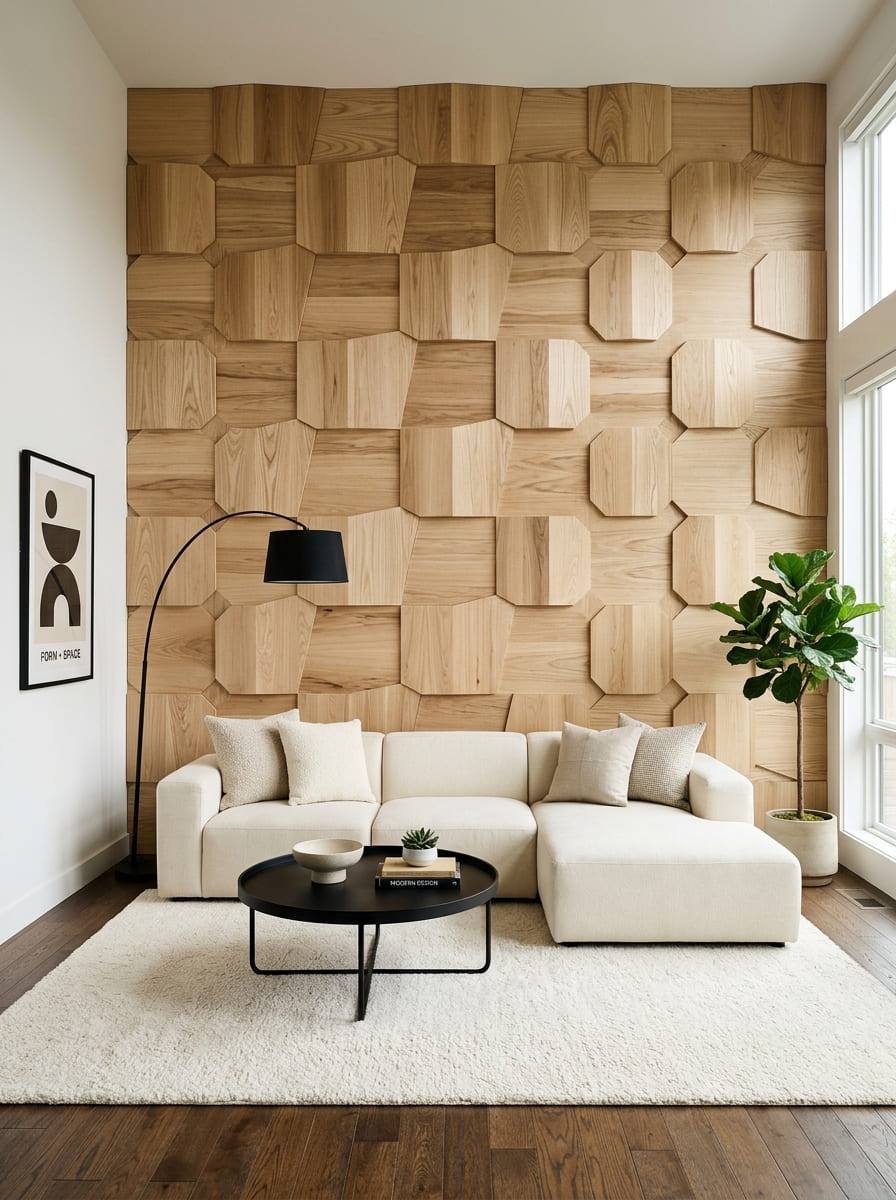
Geometric 3D wood block panels create a living room accent wall that functions simultaneously as architecture, art, and texture in one bold, unified surface. The alternating block directions catch light from multiple angles, producing a constantly shifting shadow pattern that makes the wall look different at every hour of the day.
This wood wall paneling concept suits bold, contemporary, and design-forward living rooms where visual impact and creative ambition define the decorating approach. The natural ash tone keeps the geometric pattern from feeling harsh — softening the strong graphic structure with warm organic wood character throughout the surface.
- Creates bold geometric shadow and light play
- Works as architecture, art, and texture combined
- Suits contemporary and design-forward interiors
- Natural ash tone softens the graphic pattern
- Makes the living room wall genuinely unique
Geometric wood block walls also perform strongly as backdrops for art and photography. The rich, three-dimensional surface adds visual depth to every image captured in front of it — making this wall treatment a practical investment for homeowners who create content, host events, or plan to sell their property.
You can achieve a simplified version of this look using standard square wood blocks purchased from a lumber yard and mounted in alternating grain directions. The DIY approach costs roughly $300 to $500 for a standard feature wall and delivers a result that consistently earns admiration and saves on Pinterest.
Warm Teak Panel Wall
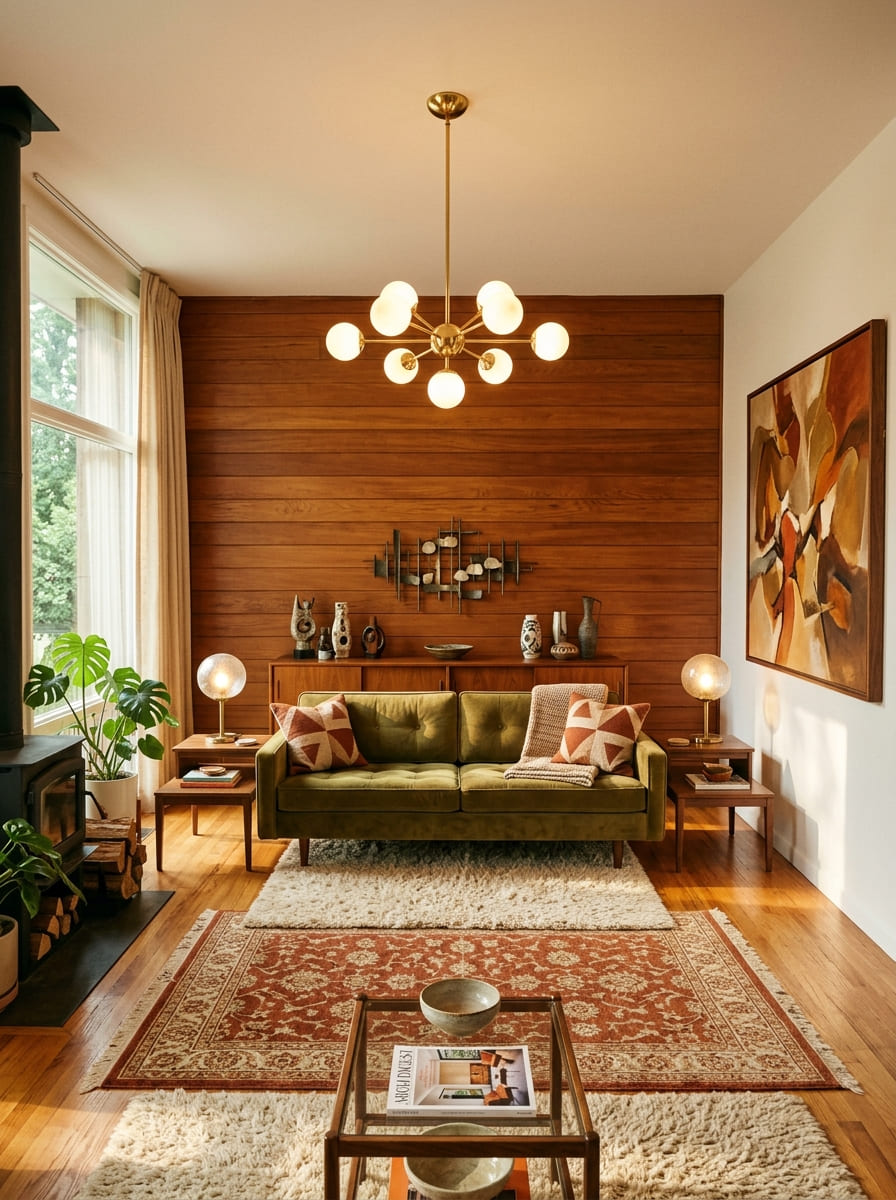
Warm teak panels bring a rich, golden-brown tone to a living room that feels simultaneously vintage and completely current for 2026 interior design trends. The close, straight grain of teak wood creates a refined, uniform surface pattern that communicates quality and deliberate material selection with quiet confidence.
Teak suits mid-century modern, organic modern, and warm minimalist living room styles with genuine aesthetic authority. The golden-brown tones of teak pair exceptionally well with olive green, rust, and mustard furnishings — creating a warm, earthy color palette that feels grounded, sophisticated, and deeply inviting for everyday living.
- Delivers rich golden-brown warmth to living rooms
- Suits mid-century and organic modern interiors
- Pairs beautifully with olive, rust, and mustard tones
- Close straight grain creates refined surface pattern
- Ages to a deeper, richer tone over time naturally
Teak also rates among the most durable wood species available for interior paneling applications. The natural oils within teak wood resist moisture, warping, and surface cracking far more effectively than softer wood alternatives — making teak panels a long-term investment that rewards careful homeowners for decades.
I’ve noticed teak feature walls consistently appear in the most-saved living room inspiration posts on Pinterest each year. The combination of warm tone, fine grain, and natural durability makes teak paneling one of the most universally appealing wood wall choices available across multiple interior style preferences.
Rustic Pine Plank Wall
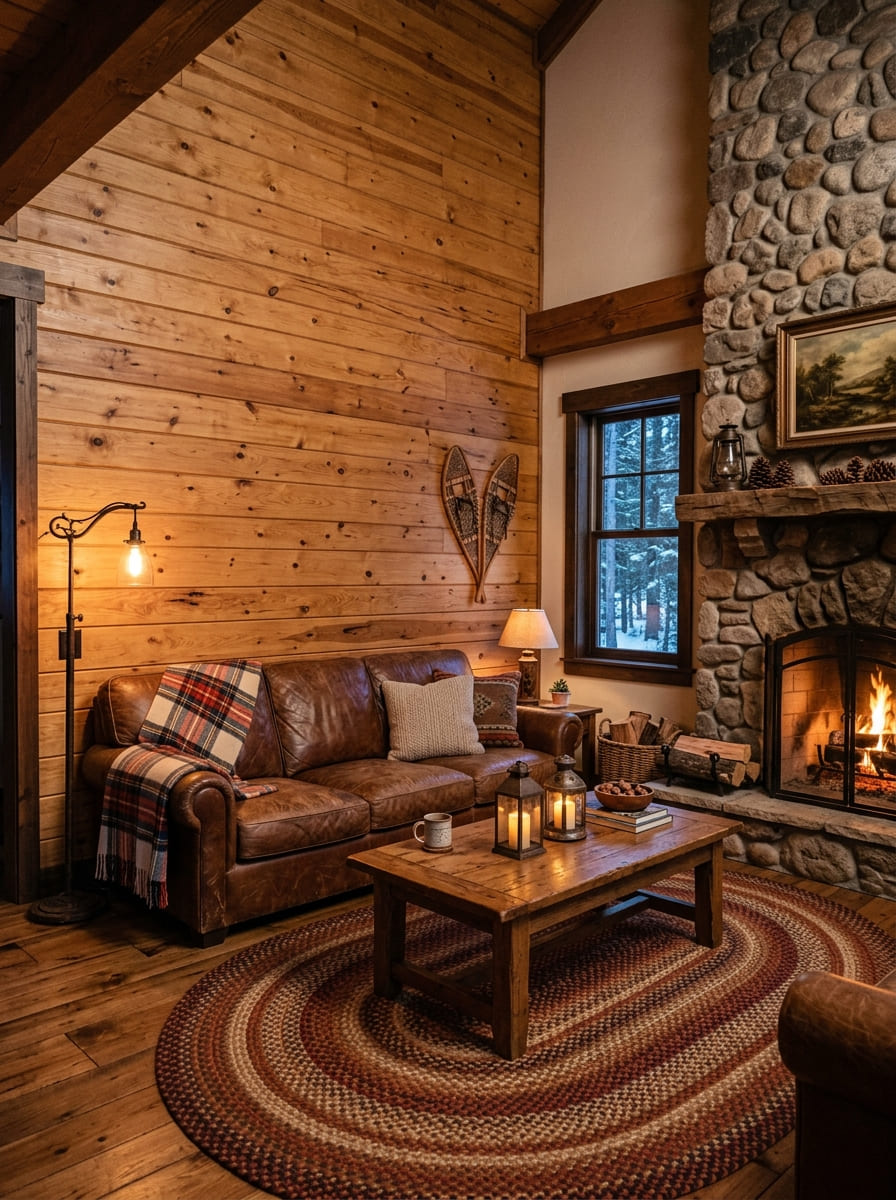
Knotty pine plank walls bring a genuine cabin warmth to a living room that feels immediately cozy, grounded, and inviting from the moment you enter. The visible knots and rich honey tones of pine create a natural, imperfect surface that celebrates the honest character of real wood rather than hiding it.
This wood living room panel style suits rustic, cabin, and lodge-inspired interior aesthetics with deep, natural confidence. Pine also offers one of the most affordable entry points into solid wood wall paneling — making this style genuinely accessible for homeowners working with tight budgets but ambitious decorating goals.
- Delivers instant cabin warmth and coziness
- Knotty grain adds honest natural character
- One of the most affordable solid wood options
- Pairs beautifully with leather and plaid textiles
- Works in rustic, lodge, and farmhouse interiors
Pine plank walls also respond beautifully to a light stain or oil finish. A simple coat of warm amber wood oil deepens the honey tones, seals the surface against moisture, and amplifies the natural knot patterns — producing a finished wall that looks rich and considered without requiring expensive materials or professional expertise.
In my experience, pine panel walls create the most genuinely comfortable living rooms I’ve encountered. The combination of natural wood warmth, cabin-inspired character, and soft lighting makes these spaces feel like permanent retreats from the pressures of daily life outside the home.
Paneled Fireplace Surround
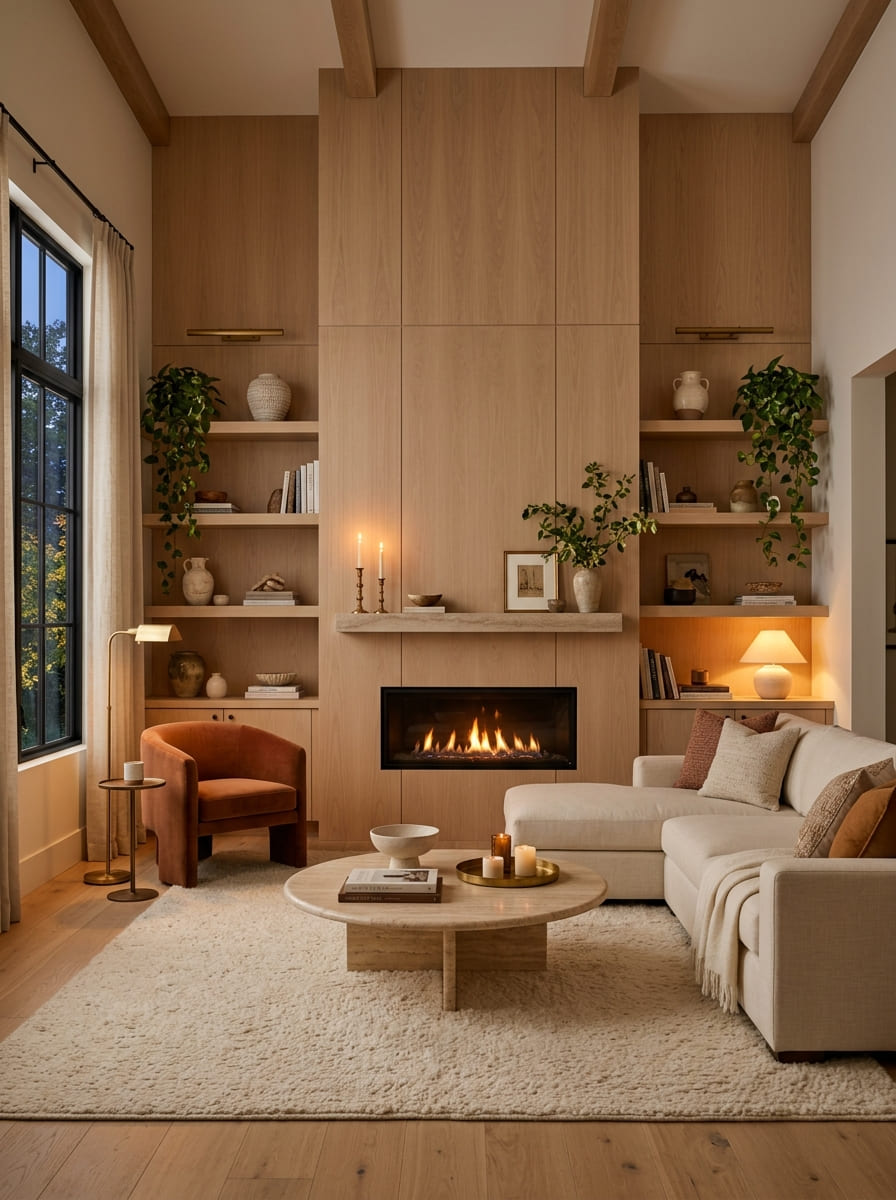
Wood panels wrapped around a living room fireplace create a complete architectural moment rather than a simple heat source mounted on a plain wall. The paneled surround extends the fireplace’s visual importance across the entire wall — making it the unmistakable focal point that anchors the whole room’s design story.
This wood wall treatment suits transitional, traditional, and organic modern living rooms equally well. Built-in wood shelves flanking the paneled fireplace wall add genuine functional storage while simultaneously creating a styled, symmetrical composition that looks custom-designed and architecturally intentional throughout every viewing angle.
- Makes the fireplace a complete architectural moment
- Built-in shelving adds functional storage
- Creates symmetrical, custom-designed wall composition
- Suits transitional, traditional, and organic modern styles
- Pairs with warm brass accents and ceramic accessories
Wood-paneled fireplace surrounds also add measurable resale value to a home. Real estate professionals consistently note that buyers respond emotionally and financially to well-executed fireplace feature walls — viewing them as built-in luxury details that justify higher offer prices during competitive market conditions.
That’s why many interior designers prioritize the fireplace wall above all other living room surfaces when planning a renovation. The fireplace wall receives the most attention, photographs most prominently in listings, and delivers the strongest visual return on every dollar invested in quality materials and careful installation.
Chevron Oak Panel Wall
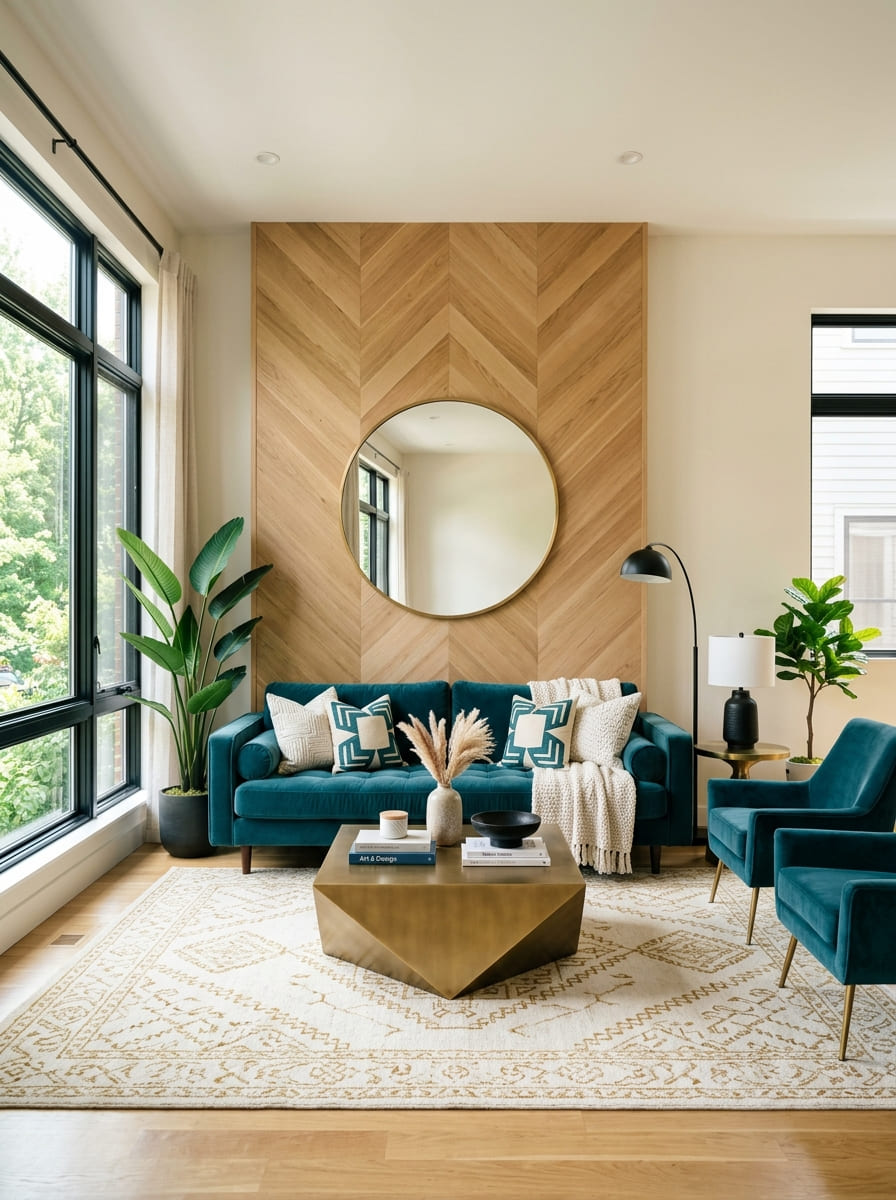
Chevron oak panels transform a standard living room accent wall into a bold graphic statement that draws every eye directly to it. The sharp V-shaped diagonal pattern creates powerful visual movement across the wall surface — guiding attention toward the center and making whatever sits in front of it appear more deliberately staged and styled.
This wood panel pattern suits modern, art-deco-influenced, and bold contemporary living rooms where visual impact and design confidence define the decorating approach. Light oak keeps the chevron pattern warm and approachable rather than cold and clinical — making the strong geometric form feel natural and livable rather than sterile.
- Creates bold V-shaped diagonal visual movement
- Centers attention on the sofa or focal furniture
- Works in light oak or warm walnut finishes
- Suits modern and art-deco-inspired living rooms
- Pairs powerfully with teal and brass accents
Chevron wood panels also photograph with exceptional depth and visual interest at every angle. Interior photographers and real estate agents consistently favor chevron-paneled living rooms for listing shoots because the pattern adds graphic complexity that makes rooms appear larger, richer, and more architecturally significant in wide-angle photography.
You can achieve a chevron pattern using standard tongue-and-groove oak boards cut at precise 45-degree angles. The cutting and fitting process demands careful measurement — but the finished result rewards that precision with a wall surface that looks genuinely custom-crafted and professionally executed at every viewing distance.
Bamboo Panel Accent Wall
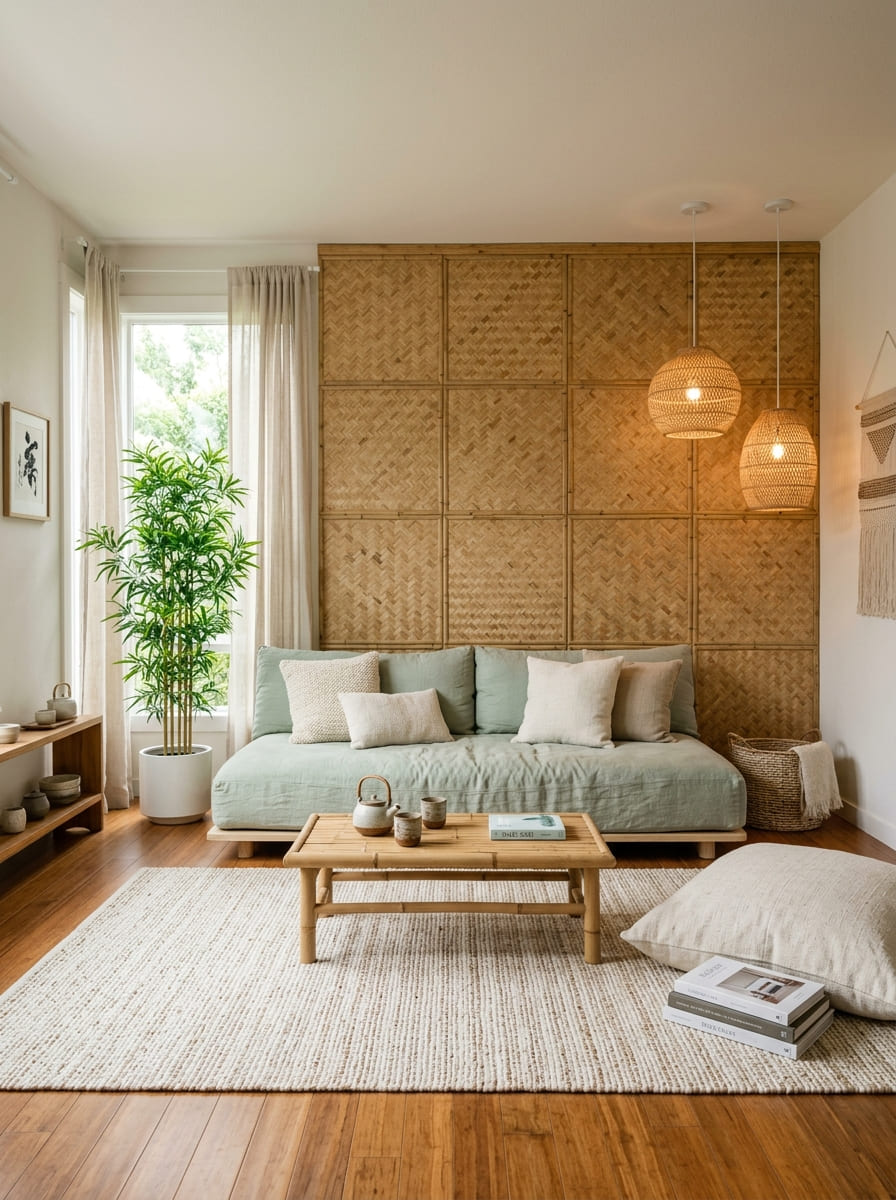
Bamboo panels bring a calm, Zen-inspired organic texture to a living room that immediately slows the pace of the space and makes it feel genuinely restful. The woven or compressed bamboo surface creates a warm, natural pattern that connects the room visually to the outdoors — supporting a biophilic design approach that resonates strongly with 2026 interior trends.
Bamboo also carries genuine sustainability credentials that appeal to environmentally conscious homeowners. As one of the fastest-growing plants on Earth, bamboo regenerates within three to five years after harvest — making bamboo wall panels one of the most responsibly sourced natural wood wall options available for living rooms today.
- Creates calming, Zen-inspired organic atmosphere
- Sustainable and rapidly renewable material choice
- Natural woven texture connects the room to nature
- Suits Japandi, organic modern, and minimalist styles
- Pairs with sage green, cream, and natural fiber tones
Bamboo panels also perform well as acoustic moderators in open-plan living rooms. The natural fiber structure of compressed bamboo absorbs ambient sound more effectively than hard painted surfaces — reducing echo and creating a quieter, more intimate atmosphere that makes conversation and relaxation feel genuinely comfortable.
I’ve noticed bamboo panel walls consistently attract attention from guests who care about both aesthetics and environmental responsibility. The material communicates thoughtful, values-driven design — which resonates deeply with homeowners who want their living spaces to reflect both beauty and genuine purpose.
Raw Edge Live Edge Wall
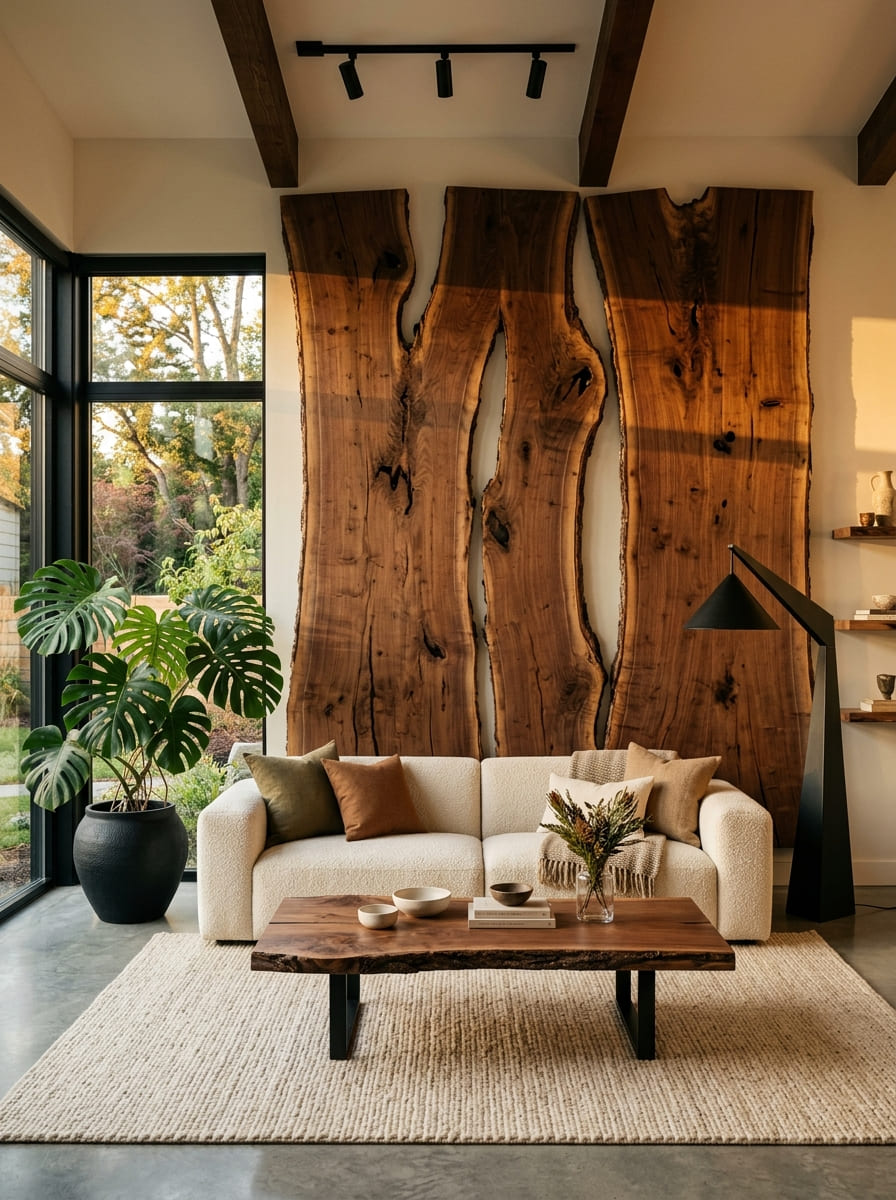
Live-edge wood panels bring the most dramatically organic and visually arresting wall surface possible into a modern living room. The raw, irregular bark edges and natural wood voids create a wall that looks like a slice of ancient forest mounted vertically — communicating raw natural beauty with unmatched visual authority and genuine material confidence.
This living room wood panel style suits organic modern, biophilic, and bold eclectic interior aesthetics where natural materials and artistic expression define the design identity. No two live-edge panels ever look identical — and that natural uniqueness is precisely what makes this wall treatment feel genuinely priceless and impossible to replicate.
- Delivers the most dramatically organic wall surface
- Raw bark edges create unmatched natural character
- No two panels look identical — naturally unique
- Suits organic modern and biophilic interiors
- Pairs with bouclé, black metal, and monstera plants
Live-edge wood walls also serve as genuine conversation starters during gatherings. Guests consistently pause to examine the natural grain patterns, visible voids, and raw bark edges up close — engaging with the wall as a piece of art rather than simply a background surface behind furniture.
That’s why many high-end interior designers specify live-edge wood as the defining material choice for statement living room walls. The combination of natural rarity, visual drama, and organic authenticity positions live-edge paneling as the most premium and personally expressive wood wall option available in 2026.
Painted Black Wood Slats
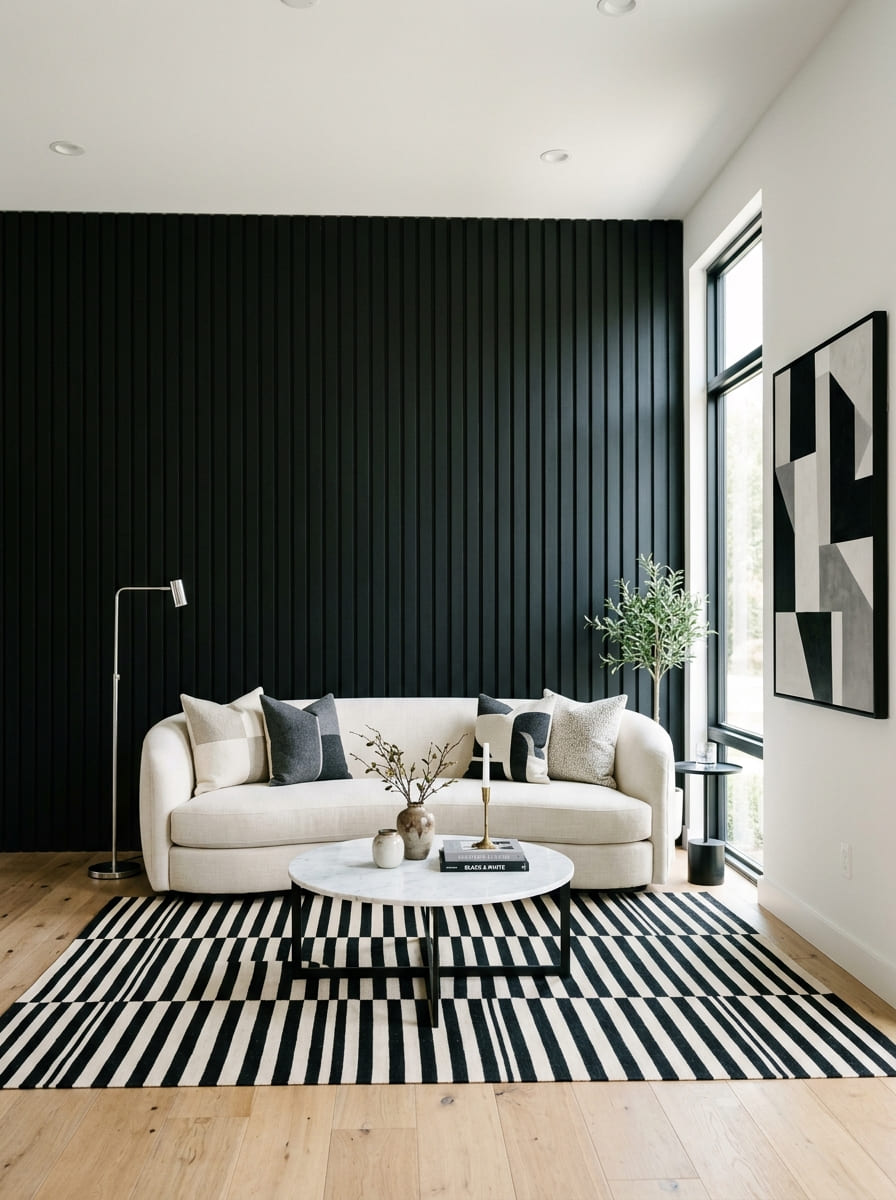
Matte black wood slats create the most graphic, high-contrast living room feature wall possible — making cream sofas, white marble, and chrome accents read with brilliant, gallery-level clarity against the deep dark surface. The vertical slat format adds floor-to-ceiling height drama that makes even average-height ceilings feel genuinely grand.
This bold wood wall paneling idea suits confident, contemporary, and minimalist-maximalist living rooms where dramatic contrast and architectural impact define the design brief. The matte finish prevents harsh light reflection — ensuring the wall feels rich and intentional rather than stark or cold in everyday living conditions.
- Creates maximum contrast drama in living rooms
- Matte black finish prevents harsh light reflection
- Vertical slats visually increase ceiling height
- Makes cream and white accents pop brilliantly
- Works in minimalist-maximalist and contemporary styles
Black wood slat walls also perform strongly as photography and video call backdrops. The deep, non-reflective surface eliminates distracting background complexity — making subjects and furniture in front of the wall appear sharp, focused, and highly styled for every image captured in the space.
One painted black slat wall opposite the main entry door delivers the full dramatic impact without overwhelming the entire room. The dark feature wall creates a powerful anchor point — and keeping the three remaining walls in crisp white maintains the room’s sense of light, openness, and visual balance throughout.
Scandinavian Birch Panels
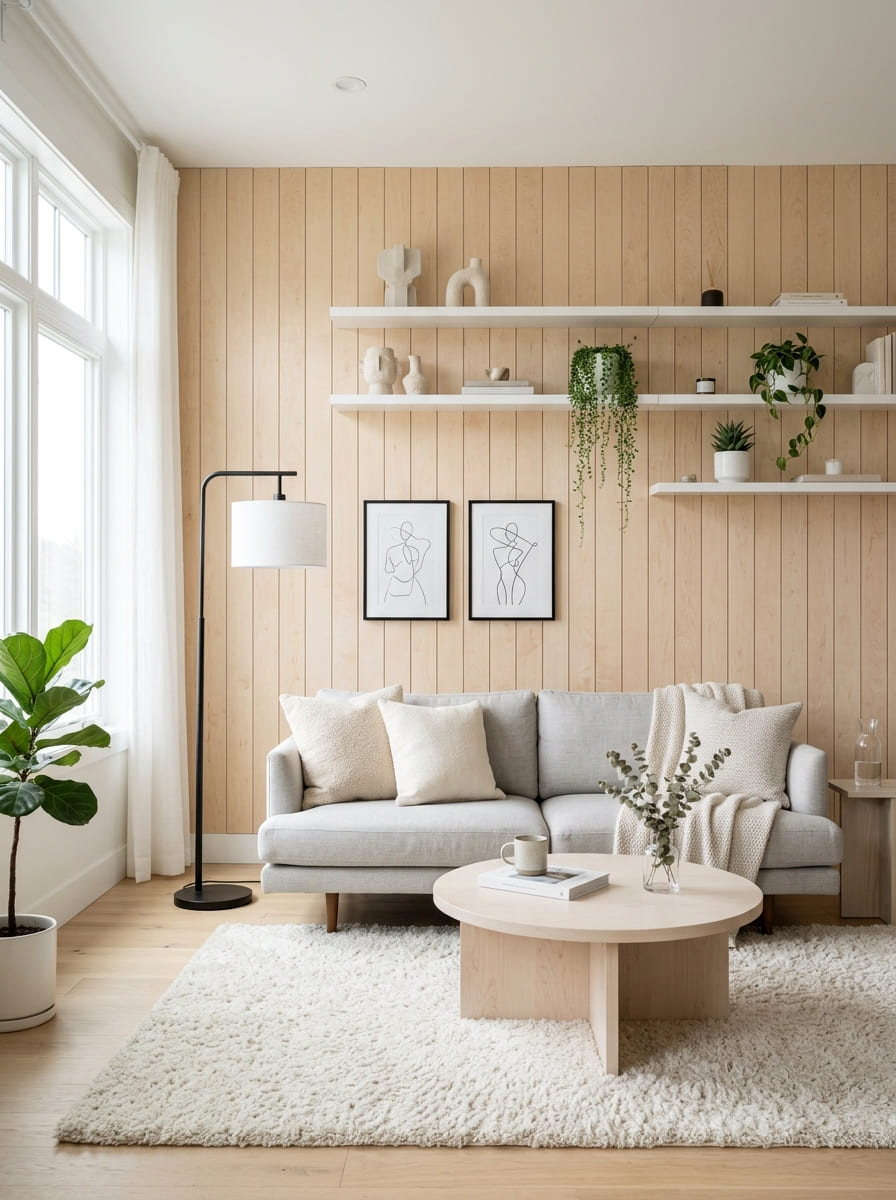
Pale birch panels create the cleanest, most light-filled Scandinavian living room aesthetic possible — keeping the space feeling genuinely open, uncluttered, and deeply serene throughout every season. The almost-white tone of birch wood reflects natural daylight across the room surface, amplifying brightness in a way that no painted wall can fully replicate.
Birch suits minimalist, Japandi, and Scandinavian living room styles with quiet, confident authority. The fine, subtle grain of birch wood adds just enough natural texture to keep the wall surface interesting without introducing visual complexity that might disturb the clean, restful atmosphere these interior styles deliberately cultivate.
- Reflects natural daylight and brightens rooms
- Fine birch grain adds subtle natural texture
- Works in Scandinavian, Japandi, and minimalist styles
- Pairs with gray linen, white ceramics, and black steel
- Keeps living rooms feeling open and uncluttered
Birch panels also work beautifully in small living rooms and compact apartments where maximizing perceived space and light matters most. The pale reflective tone makes a tight room feel noticeably more spacious — delivering the visual benefit of a larger footprint without changing a single square foot of actual floor area.
In my experience, Scandinavian birch panel walls create the most consistently calming and restorative living room atmospheres of any wood species I’ve encountered. The pale, clean surface seems to reduce visual noise and promote genuine relaxation in a way that darker, more dramatic materials rarely achieve in everyday residential settings.
Woven Wood Wall Tiles
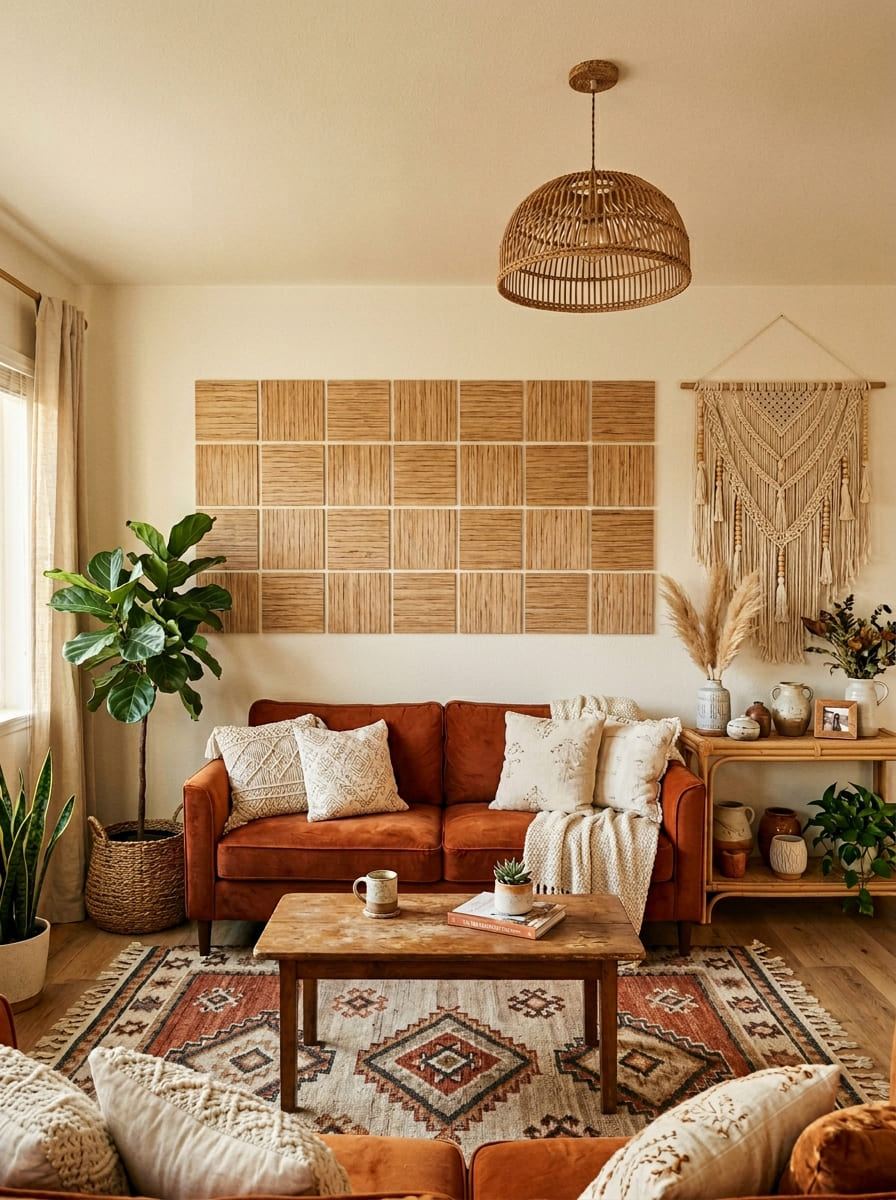
Woven wood veneer tiles create a richly textured living room accent wall that looks hand-crafted, artisan-made, and completely one-of-a-kind from across the room. The alternating weave direction of each square tile produces a subtle, shifting pattern that changes character as natural light moves across the surface throughout the day.
This wood wall tile concept suits bohemian, eclectic, and warm modern living room styles where layered texture and artisan character define the decorating vision. The modular tile format also makes installation straightforward — each square mounts independently, allowing precise placement and easy replacement of individual tiles without disturbing the surrounding panels.
- Creates richly handcrafted artisan wall texture
- Alternating tiles produce subtle shifting patterns
- Modular tiles allow easy installation and replacement
- Suits bohemian, eclectic, and warm modern interiors
- Pairs with rattan, macramé, and Moroccan textiles
Woven wood tiles also adapt easily to different wall shapes and sizes. You can cover an entire feature wall, frame a doorway, or create a partial panel section above a console table — giving you complete creative control over how much of the wall surface receives the woven texture treatment.
That’s why many bohemian interior stylists recommend woven wood tiles as one of the most flexible and creatively rewarding wall treatments available. The modular format invites experimentation with patterns, sizes, and layouts — making each installation genuinely unique to the specific room and personal aesthetic of the homeowner.
Horizontal Cedar Planks
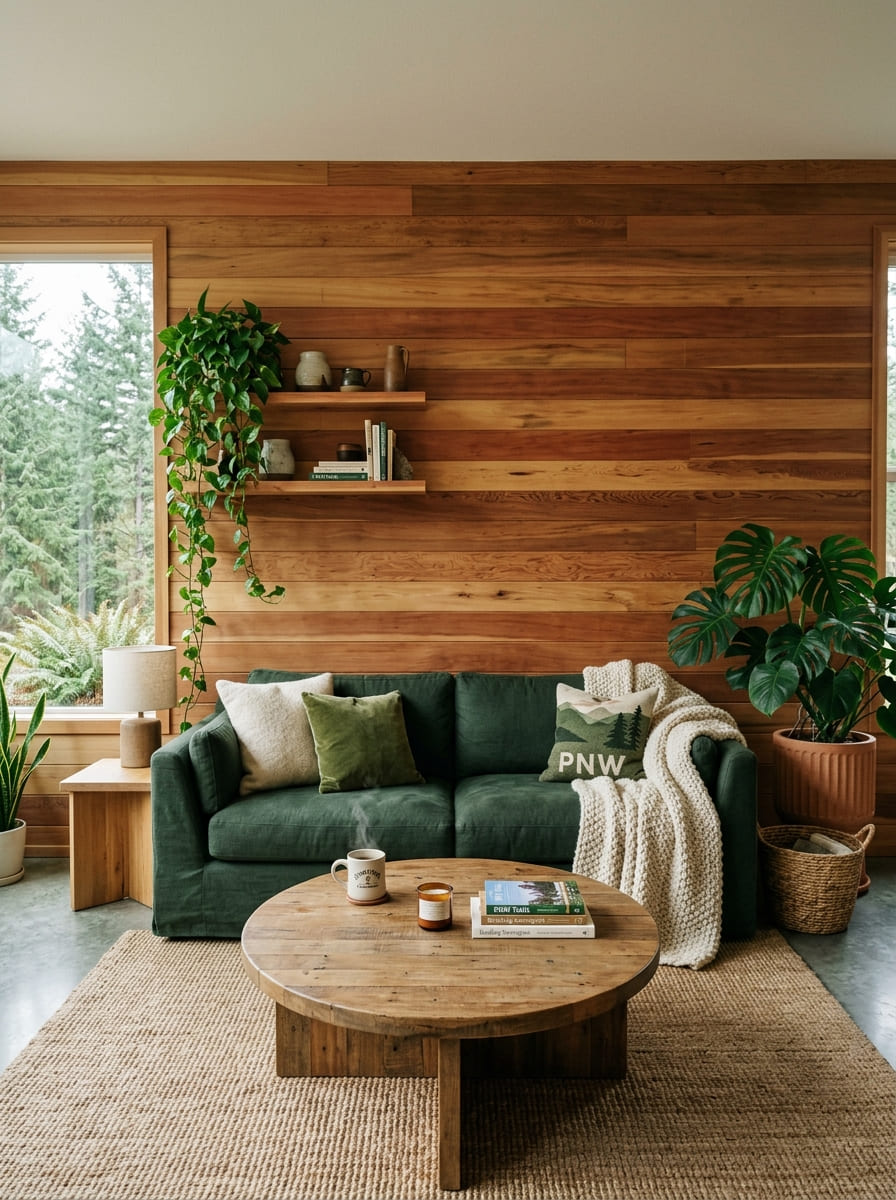
Cedar planks bring a naturally aromatic, reddish-warm wood tone into a living room that immediately creates a Pacific Northwest-inspired atmosphere of forest calm and outdoor connection. The rich, warm reddish-brown tones of natural cedar contrast beautifully against deep green furniture and earthy terracotta accents — creating a color story that feels pulled directly from a forest landscape.
Cedar also carries a gentle natural fragrance that fills a living room with a clean, woodsy scent — adding a genuine sensory dimension to the wall treatment that no paint or synthetic panel material can replicate. I’ve noticed this detail consistently surprises and delights guests who expect only visual interest from a wood wall and discover the aromatic quality as an unexpected bonus.
- Adds warm reddish-brown Pacific Northwest character
- Natural cedar fragrance fills the room gently
- Works in earthy, forest-inspired living rooms
- Pairs beautifully with forest green and terracotta
- Horizontal planks add width to narrow rooms visually
Cedar planks also resist moisture and natural decay more effectively than most softwood alternatives. This natural resistance makes cedar paneling a practical choice for living rooms in humid climates or spaces adjacent to outdoor areas where moisture exposure occasionally affects interior wall surfaces over time.
The combination of visual warmth, natural fragrance, and genuine moisture resistance makes cedar one of the most multi-dimensionally valuable wood species available for living room paneling. You invest in a wall that rewards you visually, sensory, and practically for many years of comfortable daily living.
Modern Grey Wood Panels
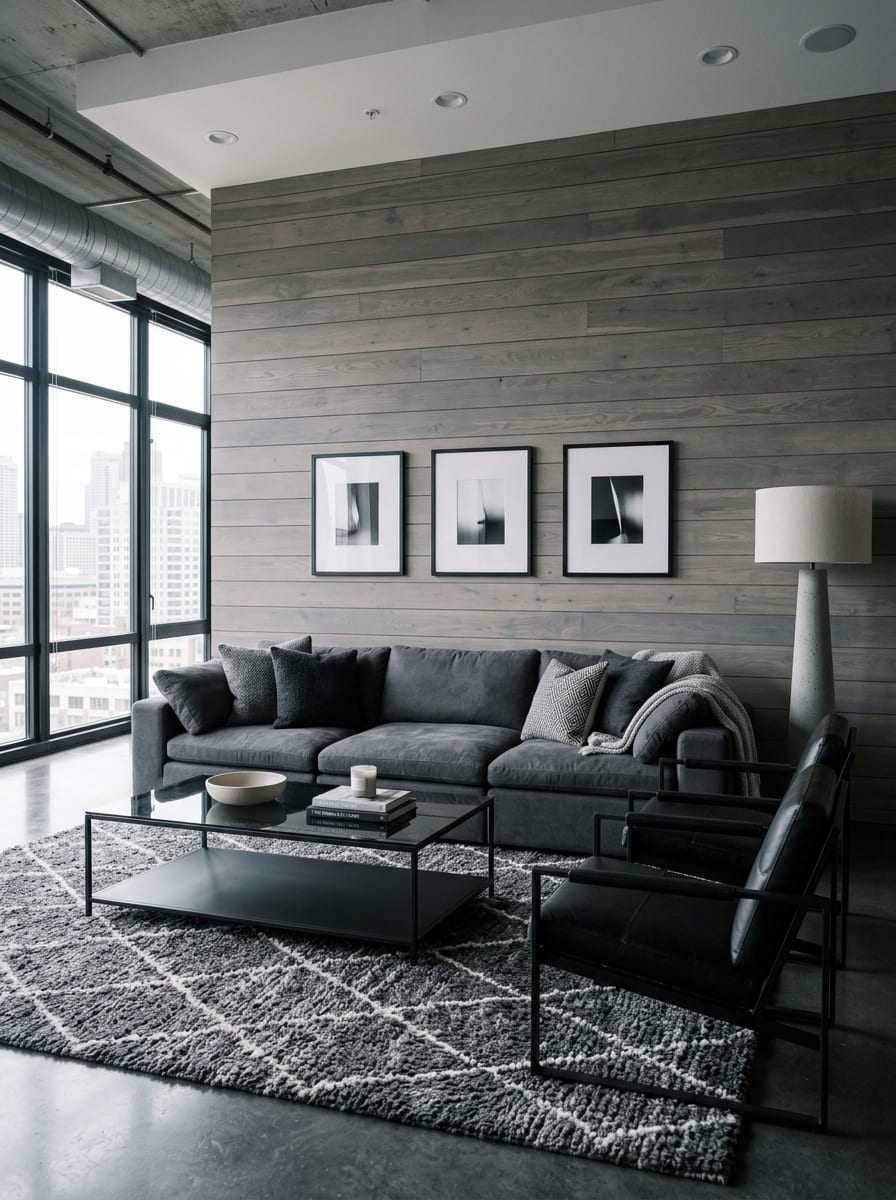
Gray-stained wood panels deliver a cool, modern urban aesthetic that bridges the gap between industrial concrete styling and the warmth of natural wood in one sophisticated surface. The gray tone neutralizes wood’s natural warmth just enough to create a contemporary, restrained palette — making the living room feel polished, intentional, and confidently current for 2026 design trends.
This wood paneling style suits modern urban apartments, contemporary open-plan living rooms, and any space where the design goal is sophisticated restraint rather than warm rustic comfort. Gray wood pairs exceptionally well with black steel, smoked glass, and concrete accessories — creating a cohesive cool-toned material story throughout the entire living space.
- Bridges industrial and natural wood aesthetics
- Cool gray tone suits urban contemporary interiors
- Pairs with black steel and smoked glass accessories
- Works in open-plan apartments and modern living rooms
- Wide planks create a bold, confident wall statement
Gray wood stain also ages gracefully without requiring regular maintenance to maintain its appearance. Unlike natural unstained wood that shifts tone over time, the gray pigment in the stain stabilizes the surface color — keeping the living room’s cool, contemporary palette consistent and freshly current through years of everyday use.
You can achieve this gray wood effect by applying a commercial gray wood stain to standard wide-plank pine or oak boards before installation. The total material cost stays well within a budget-conscious renovation plan — yet the finished result looks significantly more expensive and custom than the actual investment genuinely represents.
Limewashed Wood Panels
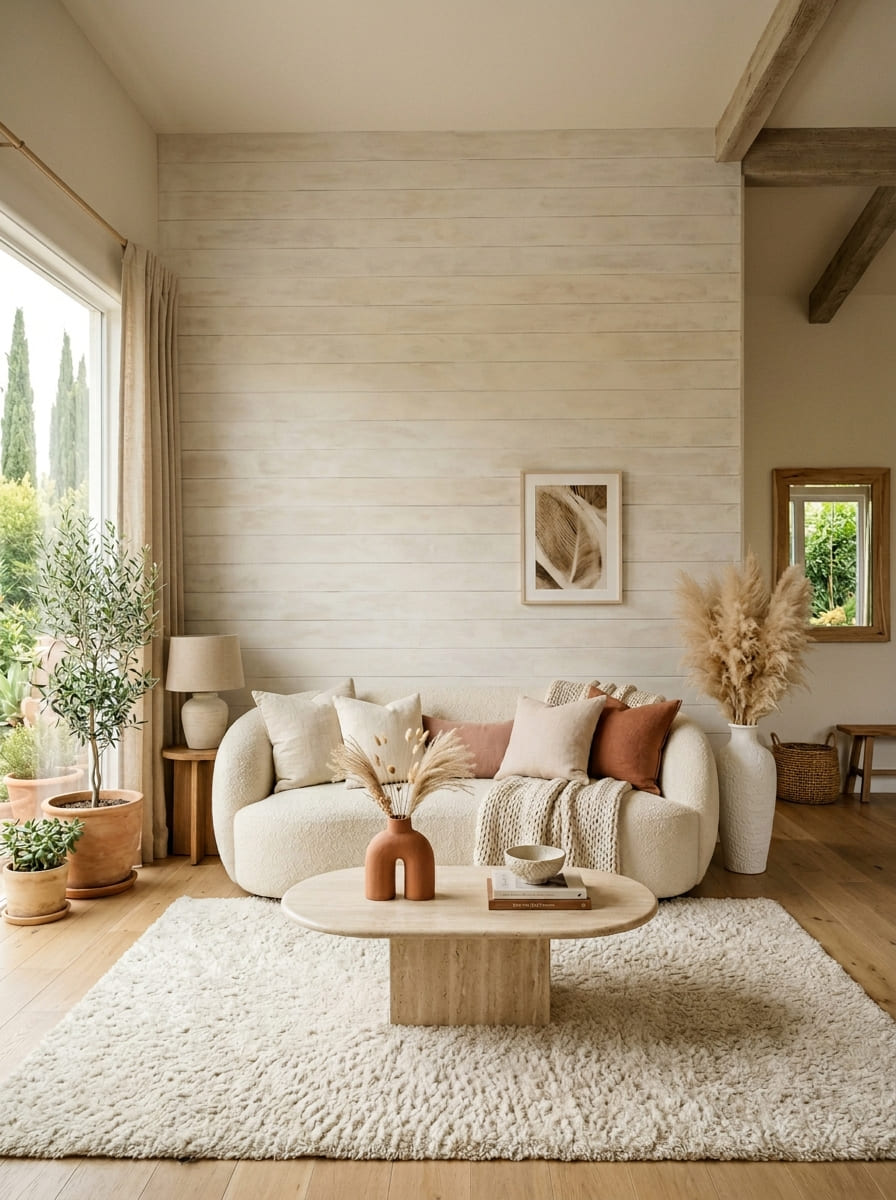
Limewashed wood panels deliver the most beautifully imperfect, organic wall surface available in modern living room decorating — and that deliberate imperfection is precisely what makes them so compelling. The cloudy, mineral-toned finish shifts between warm ivory, aged white, and soft gray as natural light moves across the surface throughout the changing hours of the day.
This wood wall treatment suits organic modern, Mediterranean, and wabi-sabi-inspired living room styles where natural imperfection and material authenticity define the design identity. The layered limewash application over real wood grain produces a surface that looks centuries old while remaining completely fresh, current, and deeply aligned with 2026’s leading interior design directions.
- Creates beautifully imperfect organic wall surface
- Shifts tone naturally in changing light conditions
- Suits Mediterranean, organic modern, and wabi-sabi styles
- Pairs with travertine, bouclé, and dried botanicals
- Low-VOC mineral pigments support healthy home environments
Limewashed wood also ages with growing beauty rather than declining condition. Each passing season adds subtle depth to the layered mineral finish — creating a living wall surface that becomes more characterful, more authentic, and more genuinely beautiful the longer it remains in place inside your home.
You can apply limewash over existing painted wood panels using a natural bristle brush and diluted mineral wash solution. The DIY process takes one weekend and costs under $150 in materials — yet produces a result that consistently photographs and lives as a genuinely premium, artisan-quality interior surface.
Slim Black Frame Panels
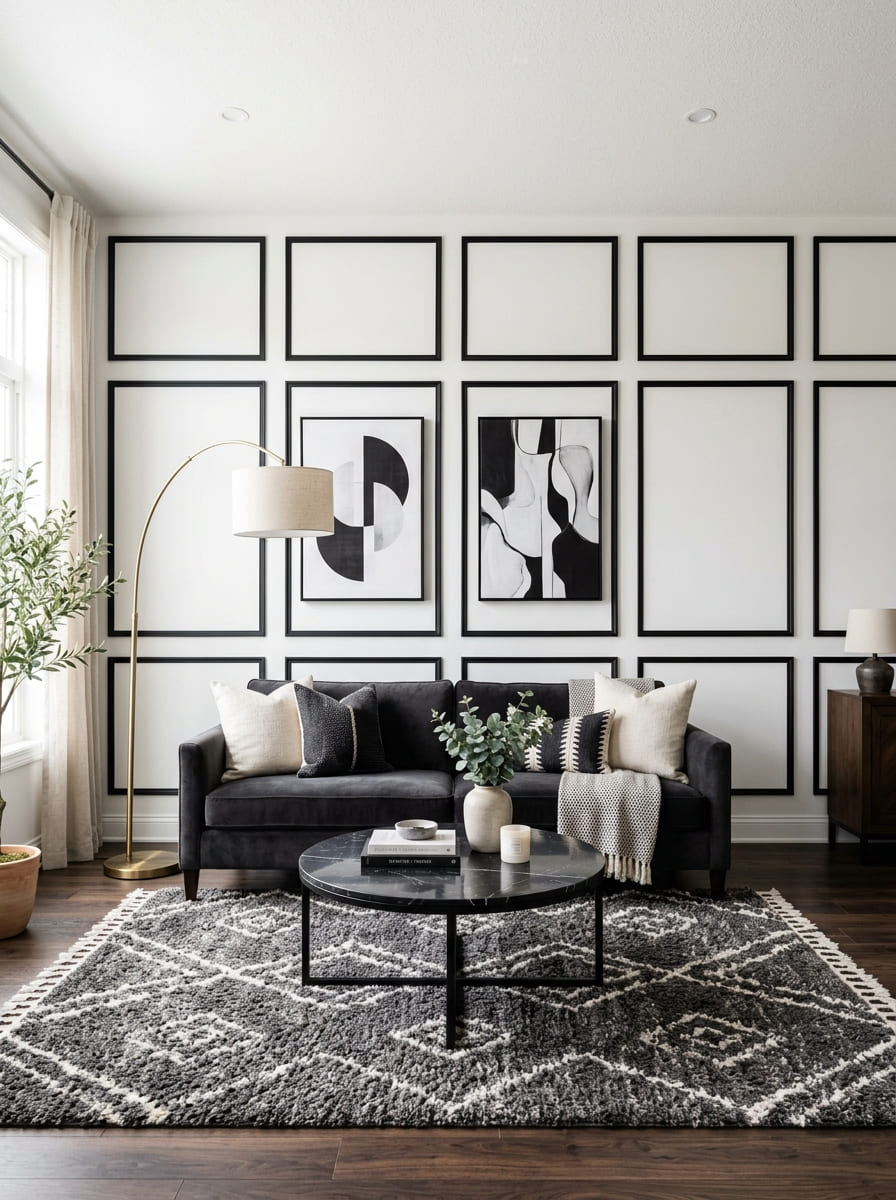
Slim black frame panels on white walls create one of the most graphically precise and architecturally refined living room accent wall treatments available without using any solid wood cladding at all. The sharp contrast between crisp white wall surface and matte black molding lines produces a gallery-quality geometric pattern that looks expensive, designed, and deliberately considered.
This panel treatment suits transitional, contemporary, and bold minimalist living rooms where clean lines and high contrast define the aesthetic direction. The modular frame grid adapts to any wall size and height — making this one of the most scalable and flexible living room paneling concepts available for homes of every architectural style and age.
- Delivers gallery-quality geometric wall precision
- Matte black lines contrast sharply against white walls
- Adapts easily to any wall size or room height
- Suits transitional and bold minimalist interiors
- Pairs powerfully with velvet, marble, and brass accents
Black frame panel molding also creates a natural gallery wall system. You can hang artwork, mirrors, and photographs directly within each panel frame — turning the entire wall into a structured, curated display that looks intentionally designed rather than randomly accumulated over time.
That’s why many interior designers recommend black frame panel molding as the fastest and most cost-effective way to add genuine architectural sophistication to a plain living room wall. The materials cost between $80 and $200, the installation takes one day, and the visual result consistently exceeds expectations at every budget level.
Warm Maple Wood Planks
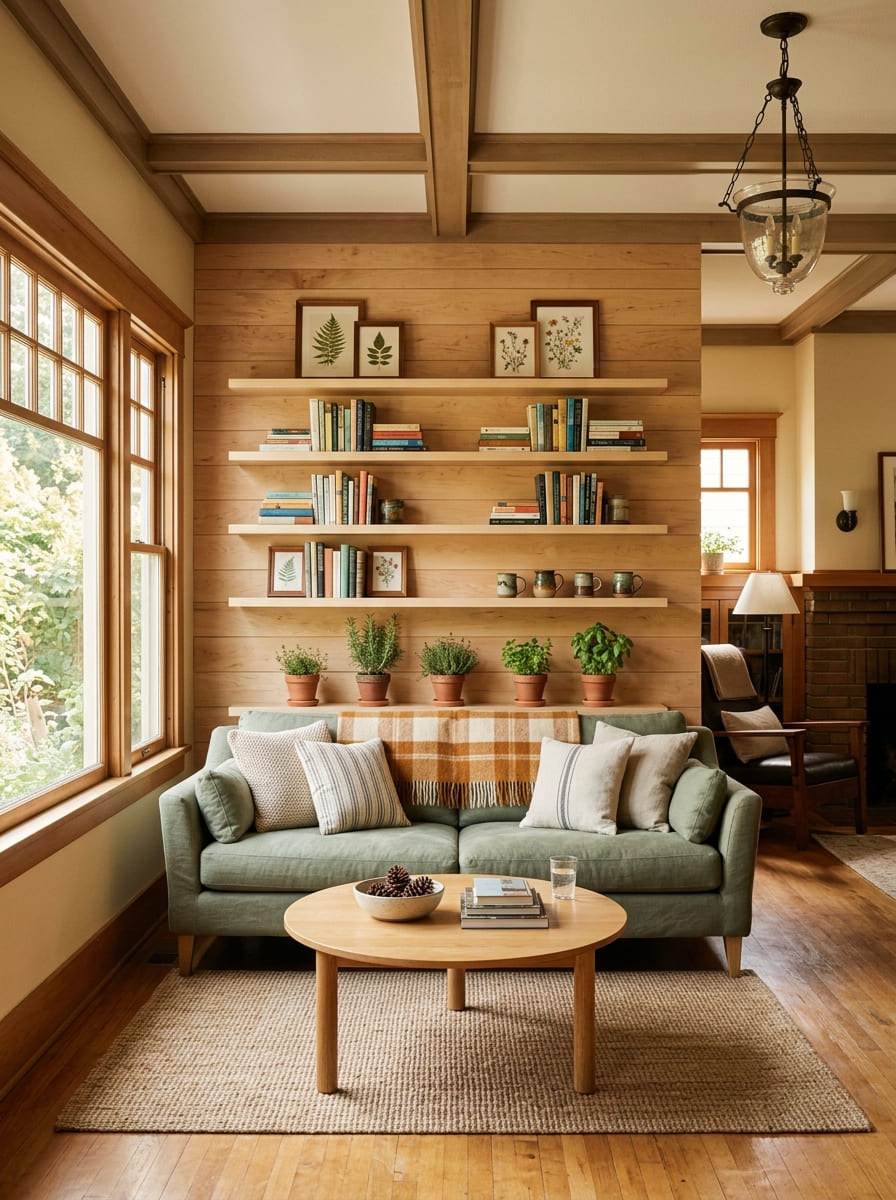
Warm maple planks bring a light, honey-toned brightness to a living room that feels welcoming, cheerful, and genuinely homey from the first moment you enter the space. The fine, consistent grain of maple wood creates a smooth, refined surface that suits both casual family living rooms and more polished, formal sitting areas with equal visual ease.
Maple’s light, golden tone suits Craftsman, traditional, and warm contemporary living room styles beautifully. The natural reflectivity of maple wood bounces warm morning and afternoon light across the room — amplifying natural brightness and creating a space that feels energizing and genuinely pleasant to spend extended time within.
- Adds light honey-toned warmth to living rooms
- Fine consistent maple grain creates smooth surface
- Reflective tone amplifies natural room brightness
- Suits Craftsman, traditional, and warm contemporary styles
- Pairs beautifully with sage green and amber textiles
Maple also rates among the hardest domestic wood species available for interior applications. The surface resists dents, scratches, and everyday contact damage far more effectively than softer woods — making maple paneling a genuinely practical choice for high-traffic family living rooms where durability and beauty both matter equally.
In my experience, maple panel walls create the most consistently cheerful and energizing living room atmospheres of any light-toned wood species. The warm golden surface seems to lift the mood of the entire room — making it feel brighter, more welcoming, and more genuinely alive on even gray, cloudy days.
Diagonal Wood Plank Feature
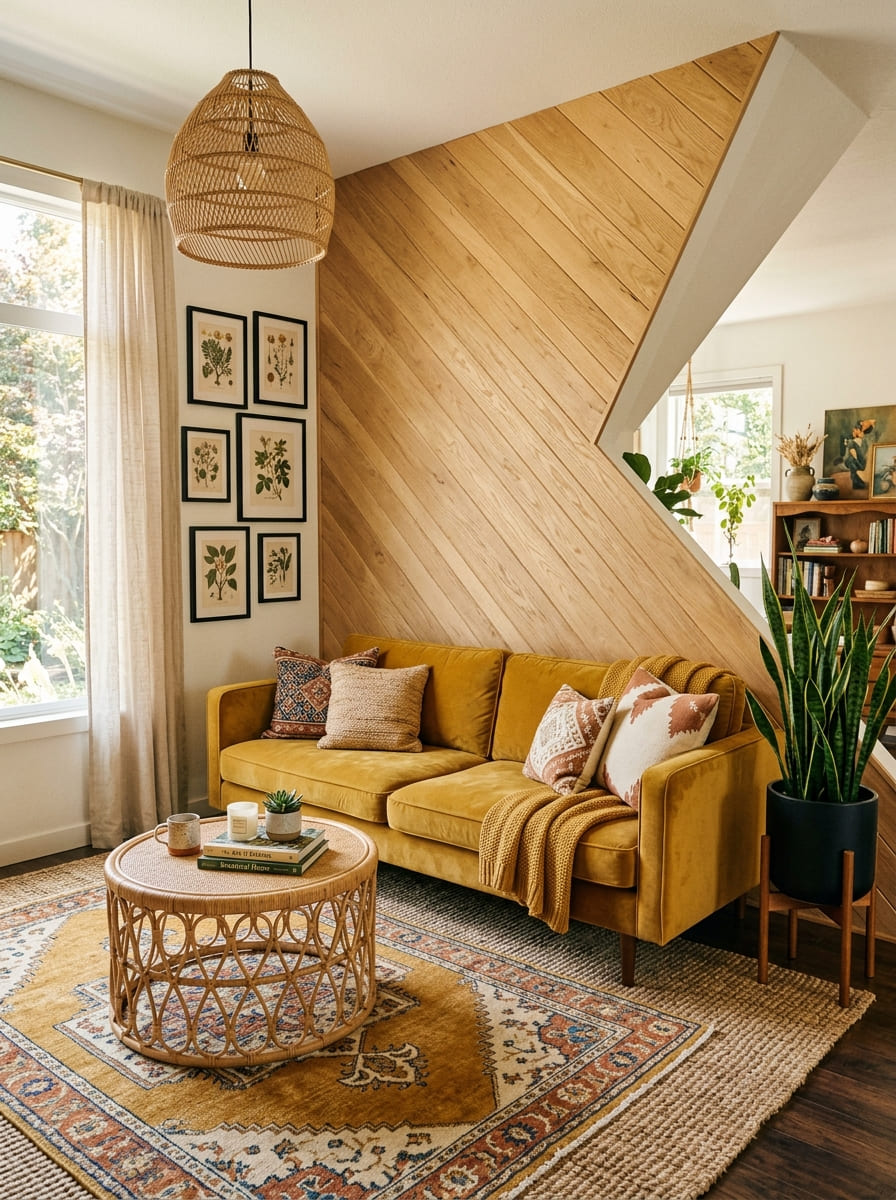
Diagonal wood planks create a living room accent wall that breaks every conventional expectation — delivering visual energy and dynamic movement that horizontal and vertical patterns simply cannot generate. The 45-degree angle creates a strong directional force across the wall surface, drawing the eye upward and across the room in one bold, confident sweep.
This unconventional wood wall paneling approach suits eclectic, creative, and personality-driven living rooms where standard design rules give way to genuine self-expression. The diagonal direction makes a room feel more dynamic, more energized, and more alive — communicating that the homeowner made a deliberate, confident choice rather than a safe, predictable one.
- Breaks conventional horizontal and vertical patterns
- Creates bold directional energy across the wall
- Suits eclectic and personality-driven living rooms
- Draws the eye upward and across the space dynamically
- Works in light oak, pine, or painted wood finishes
Diagonal planks also make narrow living rooms feel more balanced and proportionally interesting. The angular direction disrupts the eye’s natural tendency to follow the room’s longest axis — redirecting visual attention across the width of the space and making tight, elongated rooms feel less confined and more dimensionally engaging.
You can achieve diagonal plank installation by simply cutting standard tongue-and-groove boards at a 45-degree angle at each end. The cutting process adds about two hours of extra work compared to straight plank installation — but the finished result delivers a level of visual drama worth every minute of that additional effort.
Paneled Reading Nook Wall
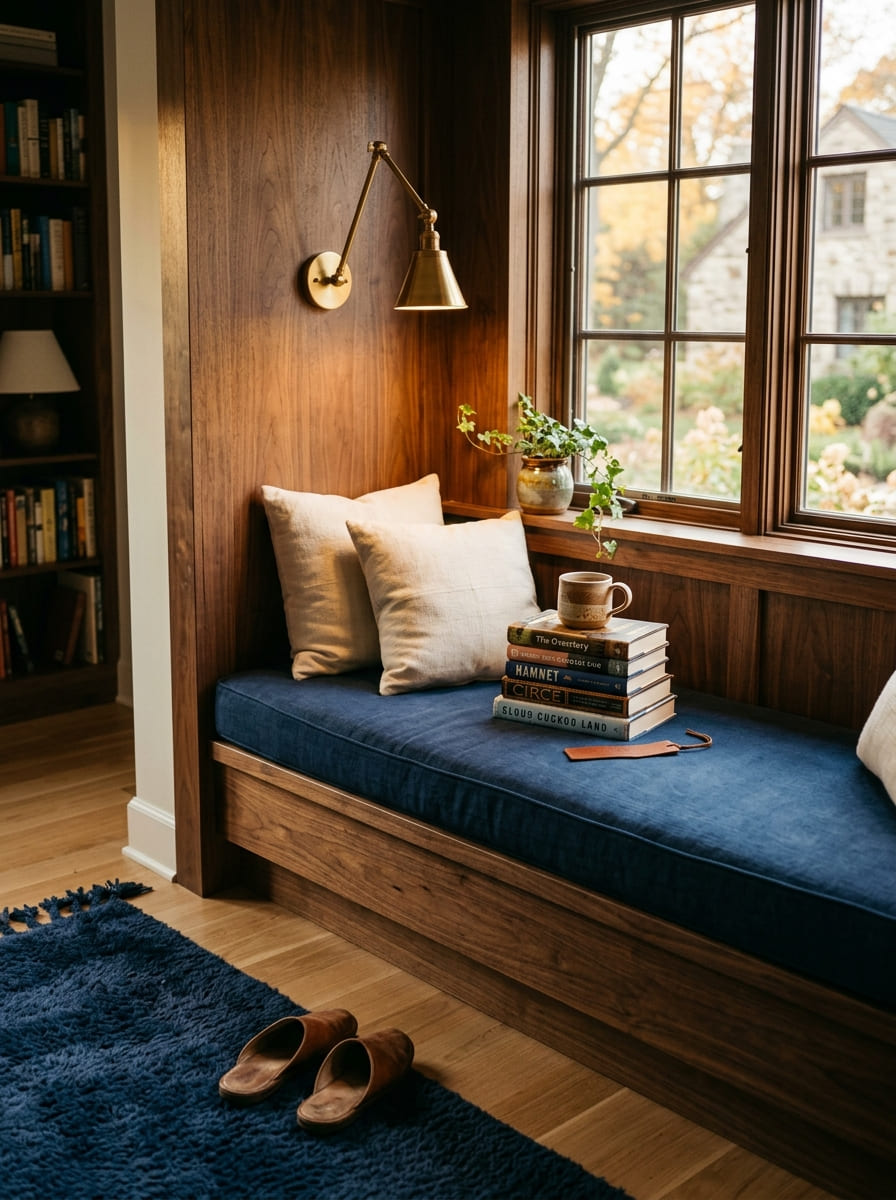
Wood-paneled reading nook walls create the most intimate and cocoon-like atmosphere possible within a living room — transforming a simple window alcove or corner into a dedicated sanctuary of calm and comfort. The warm walnut panels wrap the nook occupant in natural wood warmth on three sides, creating a sense of enclosure that makes reading, thinking, and resting feel genuinely restorative.
This wood wall application suits living rooms of every size and style where the goal is to create a dedicated retreat within the larger shared space. A built-in reading nook with paneled walls adds both practical seating and storage value while simultaneously creating the most photographically appealing and emotionally resonant corner in the entire home.
- Creates an intimate cocoon-like reading sanctuary
- Warm walnut panels wrap three walls for enclosure
- Adds both seating and storage to living rooms
- Works in any living room corner or window alcove
- Most emotionally resonant wood wall application possible
I’ve seen wood-paneled reading nooks consistently become the most beloved feature of any living room they occupy. Families gather there instinctively — for homework, quiet reading, afternoon naps, and relaxed conversation — using the space far more than any other purpose-designed area in the home.
That’s why many experienced home designers advocate building a paneled reading nook into the living room design plan from the beginning. The space delivers daily joy, genuine functional value, and a photographically compelling focal point that no amount of furniture arrangement or art hanging can fully replicate.
Ebonized Wood Accent
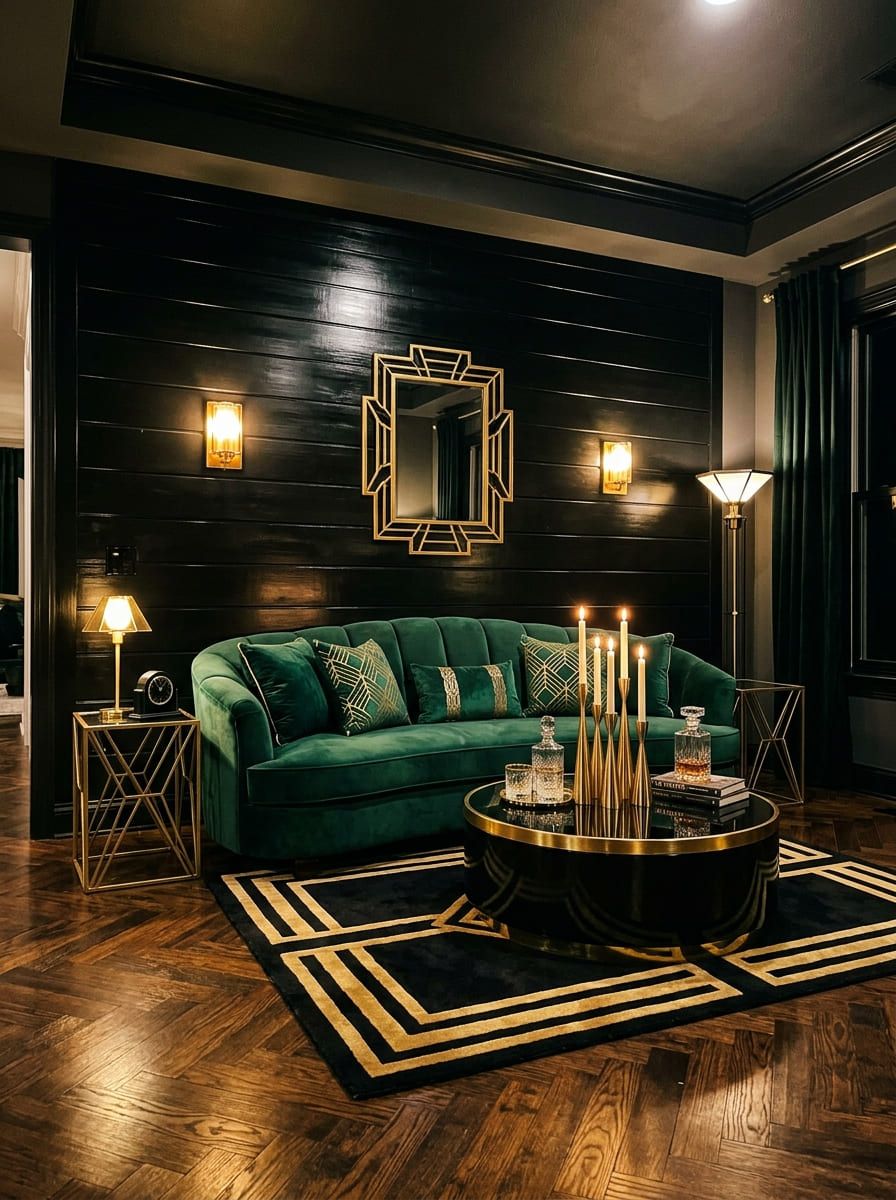
Ebonized wood panels — stained jet black while preserving the underlying grain texture — create the most dramatically opulent and art-deco-inspired living room wall surface possible. The deep black tone absorbs ambient light while the natural grain pattern beneath remains subtly visible — creating a surface that reads as simultaneously rich, textured, and deeply sophisticated.
This wood wall treatment suits art-deco, maximalist, and bold luxury living rooms where drama, opulence, and considered material choices define the entire design philosophy. Ebonized wood pairs with gold hardware and emerald green velvet in a color combination that has defined formal luxury interiors for nearly a century — and shows absolutely no signs of fading from relevance.
- Creates jet-black dramatic art-deco wall surface
- Preserved grain adds subtle texture beneath the black
- Pairs powerfully with gold hardware and emerald velvet
- Suits art-deco, maximalist, and luxury living rooms
- Makes every gold accent glow with brilliant contrast
Ebonized wood delivers a genuinely unique material quality that black paint cannot replicate. The grain texture remaining visible beneath the dark stain prevents the surface from looking flat or painted — giving the wall a three-dimensional depth and natural authenticity that distinguishes it immediately from simpler black-painted alternatives.
You achieve the ebonizing effect by applying a steel wool and vinegar solution directly to raw oak or ash wood before installation. The chemical reaction turns the wood jet black naturally within hours — producing a rich, deeply authentic black finish that costs almost nothing beyond basic materials and a free afternoon of preparation time.
Tongue-and-Groove Pine Wall
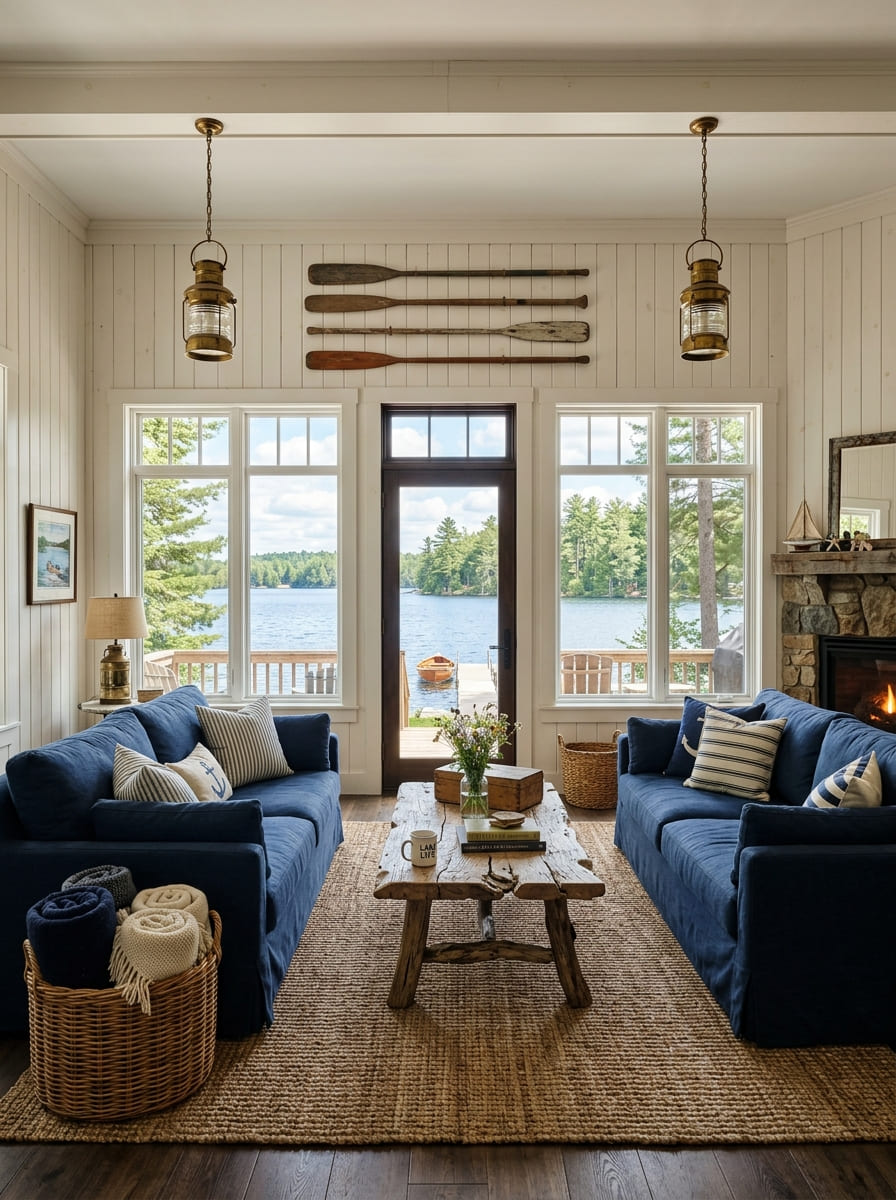
Tongue-and-groove pine panels wrap an entire living room in natural wood warmth — creating the complete, enveloping interior atmosphere of a well-loved lakehouse or mountain retreat that guests instinctively want to stay inside indefinitely. The interlocking plank system creates a clean, gapless surface that looks deliberately built-in and architecturally considered from floor to ceiling.
Wood wall paneling ideas for living rooms rarely deliver the complete transformation that full-room tongue-and-groove pine achieves. Covering all four walls — rather than just one accent surface — creates a cohesive, cabin-inspired cocoon that makes the entire living room feel like a dedicated retreat rather than a generic domestic space.
- Wraps the entire room in enveloping wood warmth
- Interlocking planks create clean gapless surface
- Creates complete lakehouse or cabin retreat atmosphere
- Works painted white or in natural pine tones
- Suits lakehouse, cabin, and coastal retreat interiors
Full-room tongue-and-groove pine installation also provides genuine thermal insulation benefits. The solid wood layer adds a natural buffer against temperature fluctuation — keeping living rooms warmer in winter and slightly cooler in summer without requiring any additional insulation materials behind the panels.
I’ve seen full tongue-and-groove pine living rooms consistently become the most-loved spaces in vacation homes and primary residences alike. The complete wood enclosure creates a psychological sense of warmth, safety, and belonging that partial accent walls simply cannot achieve at the same emotional depth and intensity.
Mixed Wood Tone Gallery Wall
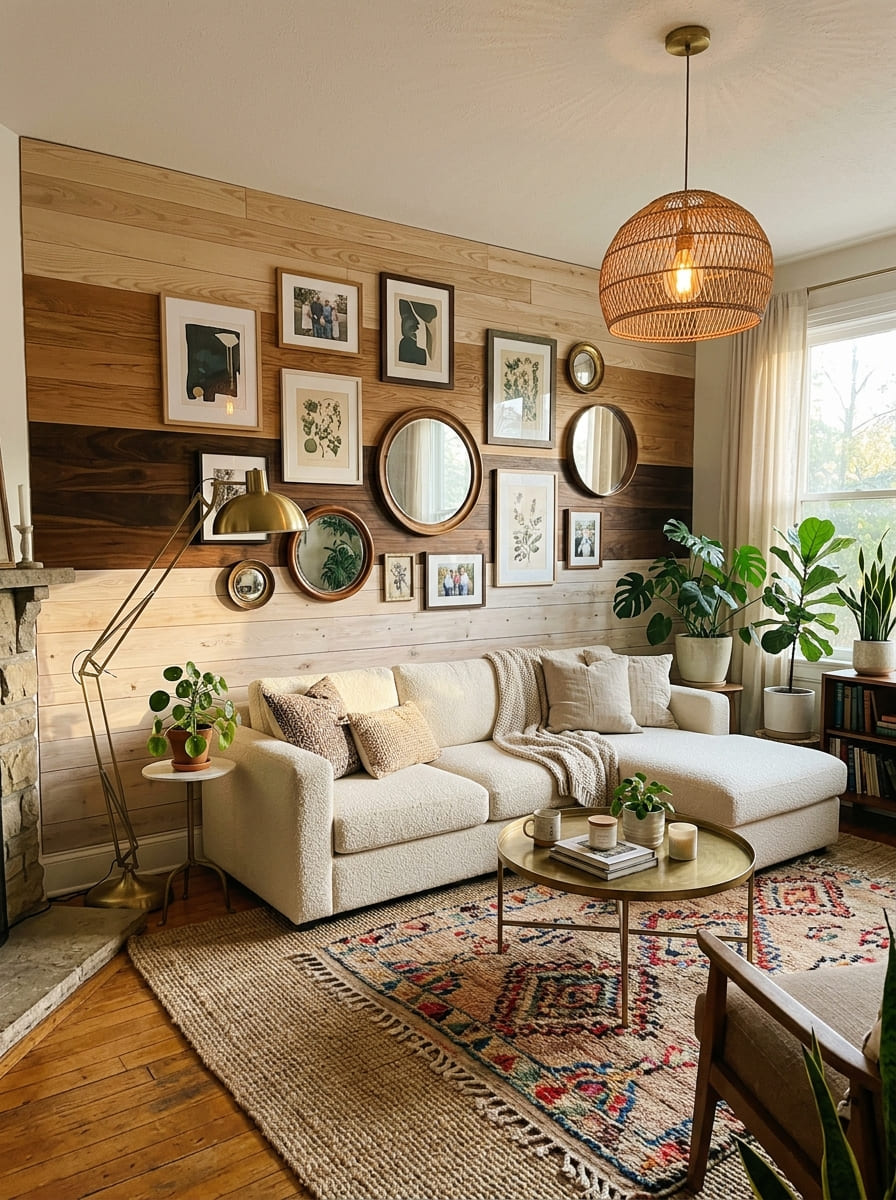
A mixed wood tone gallery wall celebrates the genuine beauty of multiple wood species displayed side by side in one bold, artisan-crafted living room surface. Light ash, warm oak, dark walnut, and whitewashed pine arranged in horizontal tone zones create a wall that reads like a curated collection of natural materials — diverse in color and character but unified by the warmth of genuine wood throughout.
This is the most creatively expressive approach to wood wall paneling ideas for living rooms — combining four distinct wood personalities into one cohesive, visually layered surface that feels genuinely hand-curated and impossible to replicate. The tonal contrast between each horizontal zone creates a gradient-like effect that shifts beautifully as natural light changes throughout the day.
- Combines multiple wood tones in one bold surface
- Horizontal tone zones create natural gradient effect
- Works with any mix of ash, oak, walnut, and pine
- Suits eclectic, maximalist, and artisan-inspired interiors
- Each zone displays framed art with natural backdrop warmth
Mixed wood gallery walls also solve the common decorating challenge of committing to a single wood species tone. When light ash, warm oak, and dark walnut coexist on the same wall, the room gains the flexibility to accommodate virtually any furniture tone and textile color without creating visual conflict or mismatched material tension.
That’s why many interior stylists recommend mixed wood feature walls specifically for eclectic living rooms where furniture pieces come from different eras, styles, and wood tones. The diverse wall surface embraces material variety rather than fighting it — creating a room that feels curated, personal, and genuinely alive with creative energy.
Conclusion
Your living room walls deserve far more than paint alone. Every idea in this guide proves that the right wood wall treatment completely changes how a room feels, breathes, and welcomes the people inside it. From bold dark walnut panels to soft whitewashed planks and creative mixed wood tone gallery walls, real transformation is genuinely within your reach. Wood wall paneling ideas for living rooms work at every budget, every skill level, and every room size — and the results consistently exceed expectations. I’ve seen a single paneled wall shift an entire home’s atmosphere overnight. Save this post on Pinterest, share it with someone planning a living room refresh, and start your most beautiful wall yet.
Frequently Asked Questions
What is the best wood for living room wall panels?
Oak, walnut, and pine rank as the top three choices. Oak offers durability and versatile grain. Walnut delivers rich, dark luxury. Pine stays affordable and suits farmhouse styles well. Your budget, room style, and preferred tone determine which species fits your living room best.
How much does wood wall paneling cost for a living room?
Basic DIY shiplap or pine plank walls cost between $150 and $500 in materials. Mid-range wood like oak or cedar runs $500 to $1,200 per feature wall. Premium walnut or live-edge installations range from $1,500 to $4,000 depending on room size and installation complexity.
Can I install wood wall panels in a living room myself?
Yes — most panel styles suit confident DIY installation. Shiplap, tongue-and-groove, and MDF molding frames require basic tools and one free weekend. Live-edge slabs and full-room installations benefit from professional help. Always use a stud finder, level, and proper adhesive for clean, safe results.
Do wood wall panels make a living room feel smaller?
Dark panels can reduce perceived size if used incorrectly. However, vertical panels draw the eye upward and increase perceived ceiling height. Light-toned panels like birch, maple, and whitewashed pine actually brighten rooms and make small living spaces feel noticeably more open and airy.
Are wood wall panels suitable for rental apartments?
Many wood panel options work in rental spaces without permanent damage. Lightweight MDF molding frames and peel-and-stick wood veneer tiles mount with removable adhesive strips. Always test adhesive on a small hidden wall section first and confirm removal guidelines with your landlord before beginning any panel installation.
How do I maintain and clean wood wall panels?
Dust wood panels weekly using a soft microfiber cloth. Clean surface marks with a slightly damp cloth and mild wood-safe soap solution. Avoid saturating the wood with water. Apply a light coat of wood oil or furniture wax once per year to maintain sheen and protect the surface from drying out.
Which living room wall should I panel first?
Start with the wall directly behind your main sofa. This wall receives the most visual attention and photographs most prominently in both real estate listings and social media images. Paneling the sofa wall first delivers the greatest visual impact for the smallest initial material investment in your living room.